Thinking about owning a historic home in downtown Annapolis? It can be one of the most rewarding ways to live in the city, but it also comes with rules, costs, and property-specific details that are easy to miss if you only focus on charm. If you want a clearer picture of what life and ownership really look like, this guide will help you understand the biggest issues before you buy. Let’s dive in.
Why downtown Annapolis is different
Downtown Annapolis is not just an older neighborhood with pretty facades. It is a protected historic district with a stated purpose that includes preserving historical, cultural, archaeological, and architectural significance while also helping stabilize property values and support the local economy.
That matters because ownership here is shaped by local review standards, not just by the age of the home. The Historic Preservation Commission reviews exterior alterations in the district, and the rules can affect what you can change, how you maintain the property, and how long improvements may take.
Another important detail is that the district has a fixed boundary, but zoning can vary block by block. Residential, commercial, mixed-use, professional office, and waterfront maritime districts all exist within the historic boundary, so two nearby properties may not be governed in exactly the same way.
What historic homes look like here
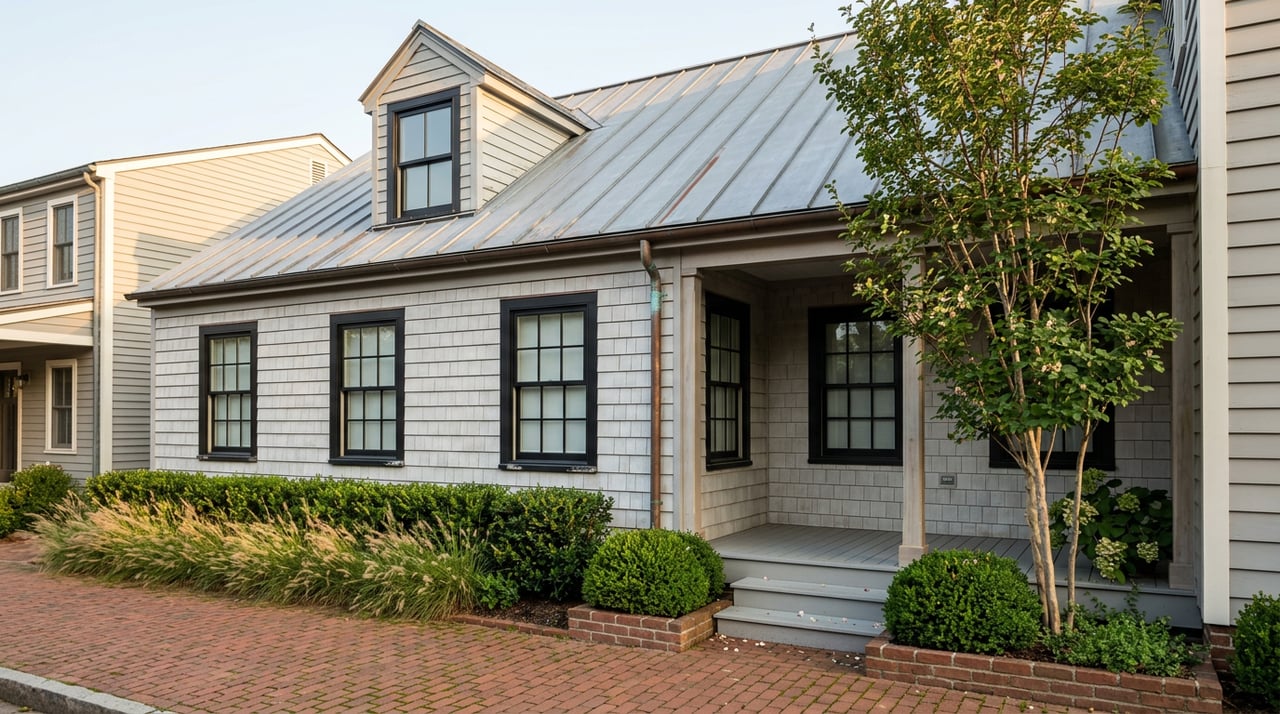
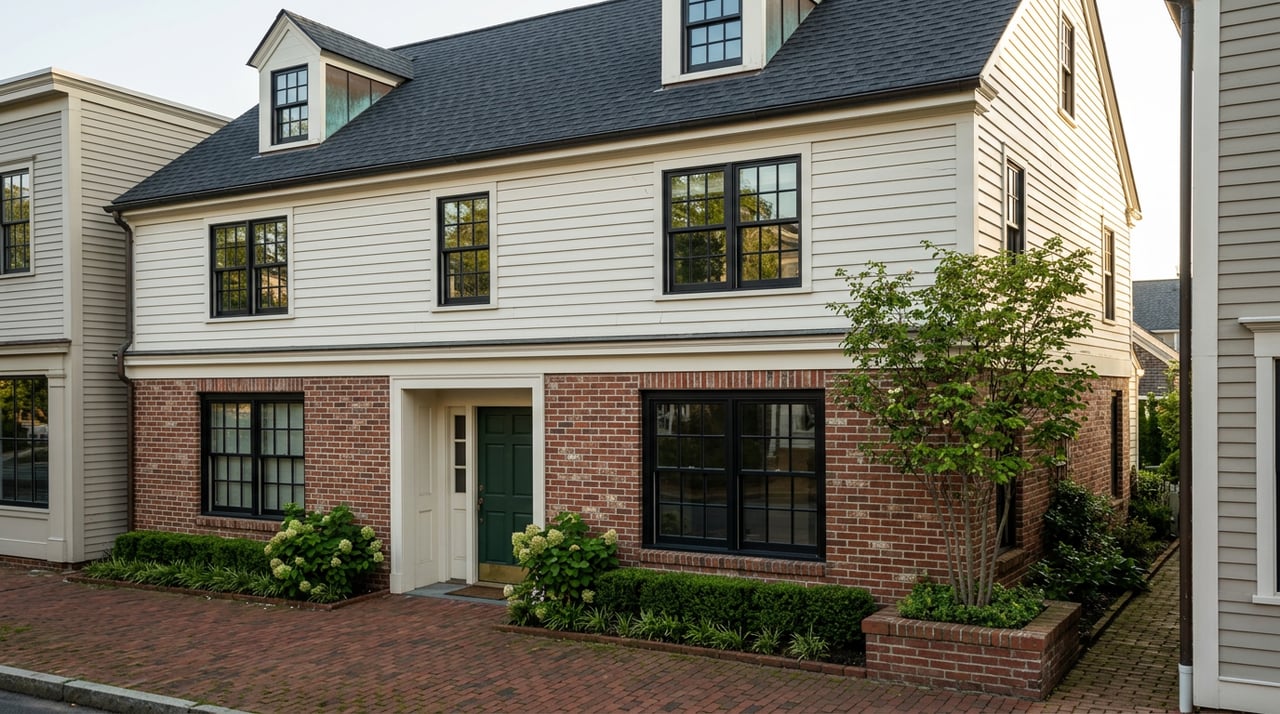
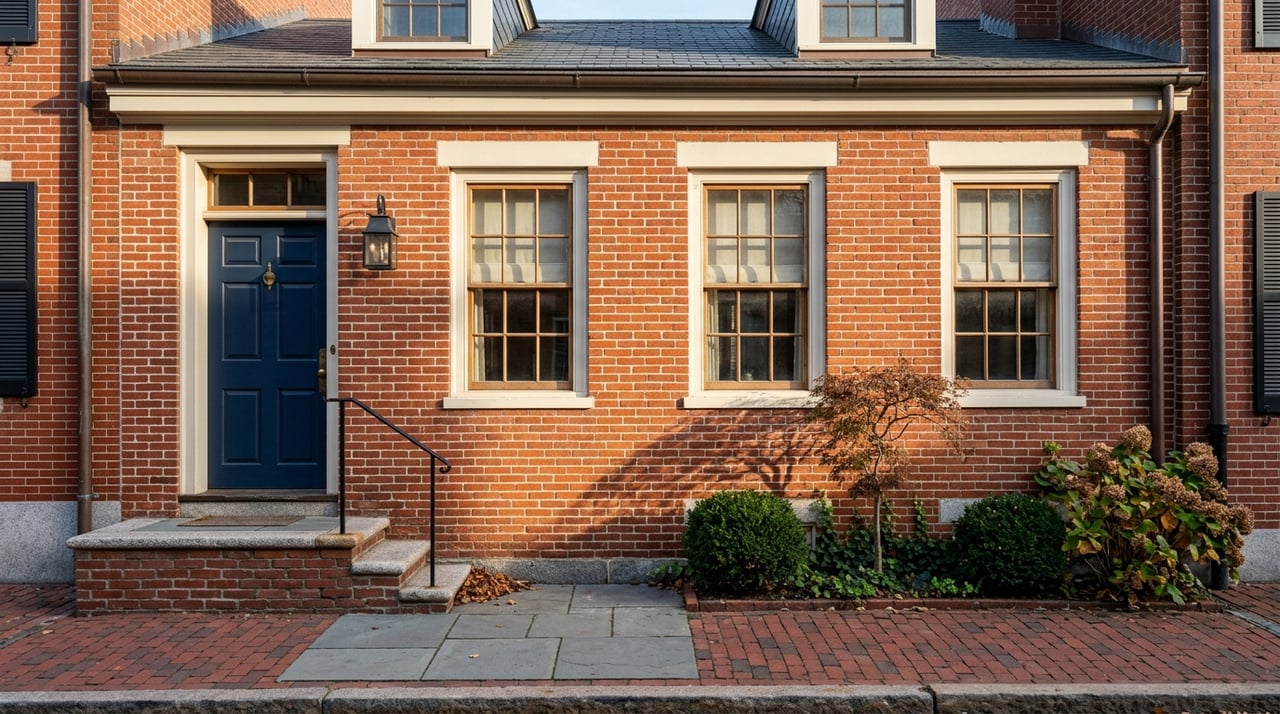
Downtown Annapolis includes a wide mix of architectural styles, and that variety is part of what makes buying here so appealing. Some of the oldest homes are Georgian or Provincial and Palladian Georgian, often with brick construction, formal symmetry, and refined detailing.
You will also find Federal, Greek Revival, Italianate, Queen Anne, Shingle, Colonial Revival, and Georgian Revival homes. A recurring local form is the side-hall row house, where the facade may appear asymmetrical but still reflects the interior floor plan.
These homes also tend to have a distinctly urban form. You should expect narrower proportions, strong street rhythm, and stoop- or porch-centered streetscapes rather than large setbacks and open lots more common in suburban neighborhoods.
Original details are only part of the story
One of the most useful things to understand before buying is that few buildings in the historic district remain exactly as they were originally built. Most have changed over time through additions, repairs, replacements, and updates.
That means a smart purchase is usually less about finding a "perfectly original" house and more about understanding three things: what is original, what was added later, and what can be improved without harming the building’s character. A home can be beautiful and livable while still requiring careful review of past work and future plans.
For you as a buyer, that makes due diligence especially important. Historic ownership in Annapolis is often about details hidden in plain sight, such as masonry condition, window replacements, porch alterations, or additions that may or may not align with local standards.
Exterior changes require close attention
If you are used to owning a non-historic home, this may be the biggest adjustment. Annapolis is strict about exterior work in the historic district, and the city code and design manual require a Certificate of Approval for exterior changes that affect historic significance.
The review authority is broad. It can extend to alterations that are not visible from the street or water, which surprises many first-time buyers in the district.
Some projects may qualify for administrative approval, while ordinary maintenance that does not alter exterior fabric or features is treated differently. But you should not assume a project is minor just because it feels routine in another neighborhood. Unapproved changes can be treated as municipal infractions.
Masonry, windows, and doors matter more here
In downtown Annapolis, exterior materials are not just cosmetic choices. They are part of the historic character of the district, and the city applies specific standards to them.
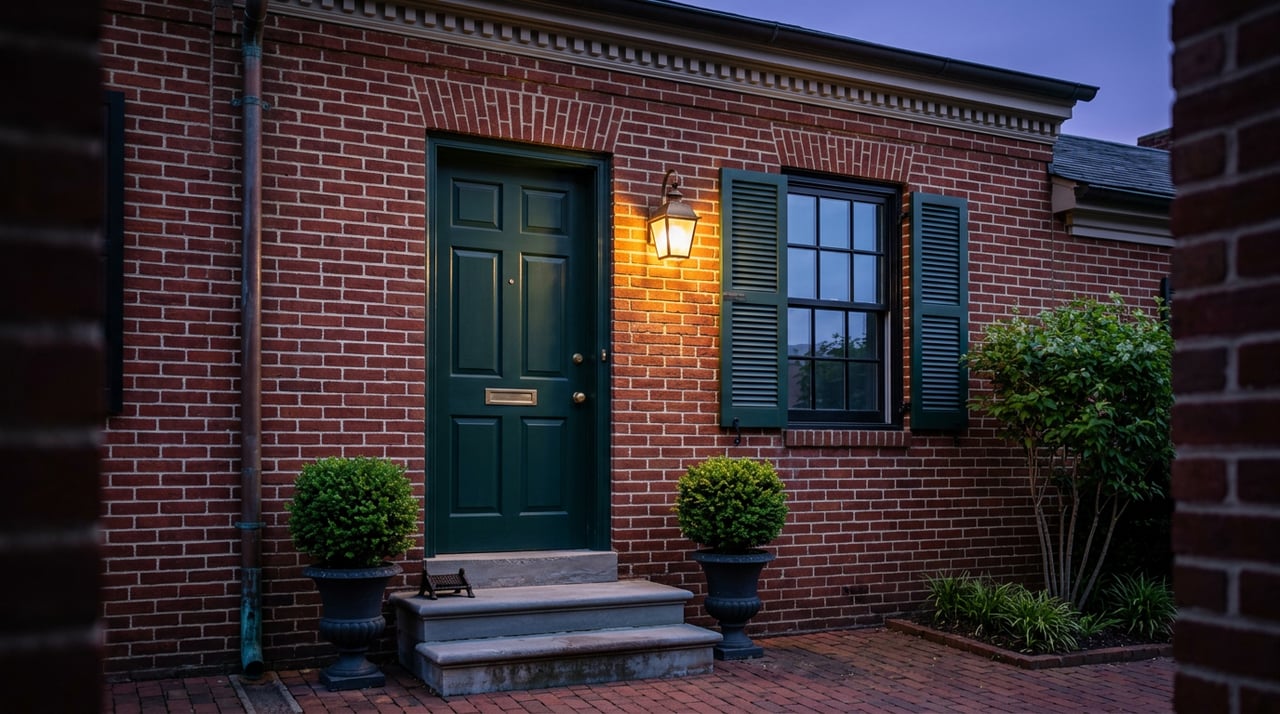
Masonry is a major example. Repointing is not considered routine maintenance, and the mortar must match the original in color, texture, and tooling. In some cases, the city may require test panels before approving the work.
Windows and doors are also tightly controlled. New openings in existing exterior walls are discouraged, and replacement work should follow historic proportions. The design guidance generally avoids synthetic materials such as vinyl siding, EIFS, and synthetic trim.
Porches, roofs, and additions can affect value
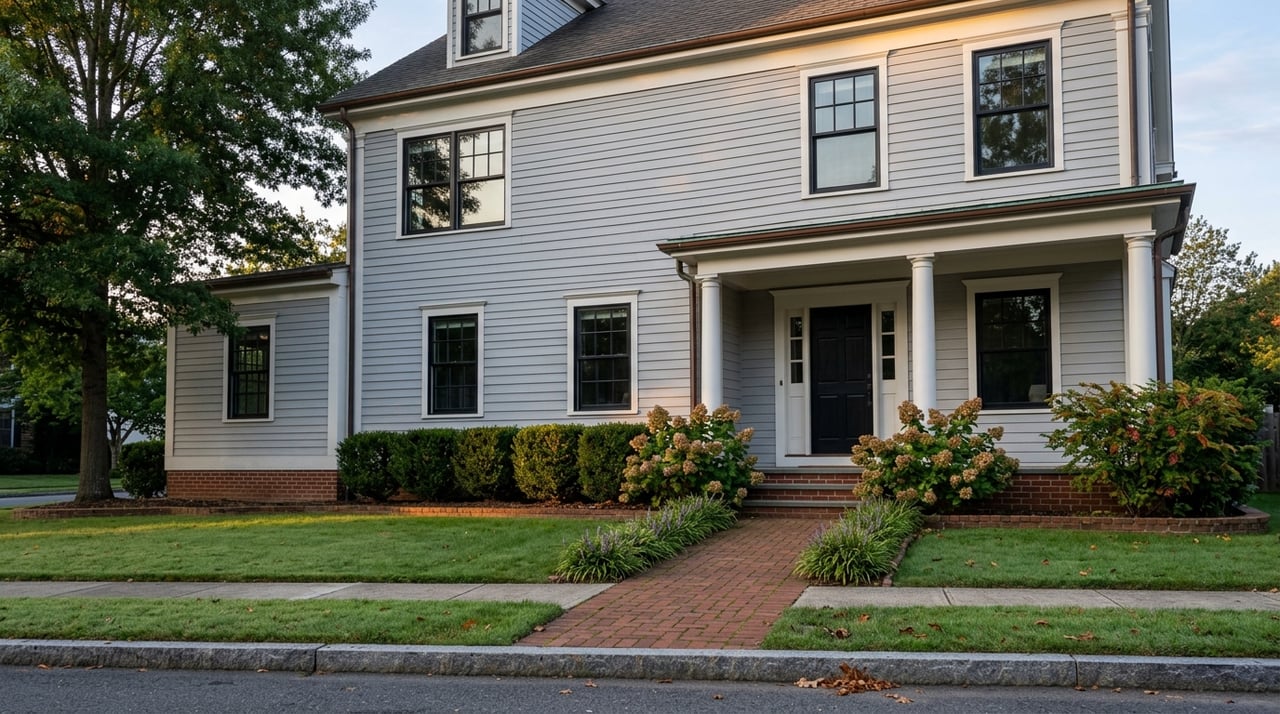
Many buyers focus on kitchens and baths first, but exterior form can be just as important in a downtown Annapolis purchase. Front porches on primary facades should not be enclosed, decks over historic porches are not permitted, and additions must remain subordinate to the main building.
Roof shape matters too. The design manual does not allow simplified modern mansard forms, which is one example of how even large-scale design choices are reviewed through a historic lens.
For you, this affects both budgeting and long-term planning. A house with a well-preserved exterior may offer a more straightforward ownership path than a property that needs major envelope work or has questionable past alterations.
Approval timelines start before work begins
If you are buying a home with renovation plans, timing matters. The city’s administrative checklist may require photos, specifications, and sometimes site plans, and the historic preservation tax credit process requires approval before work begins.
That means your project planning should start early. It is wise to evaluate not only whether you want to make changes, but also whether those changes are likely to be supportable under the district’s standards.
This is one reason property comparisons can be tricky downtown. Two houses with similar square footage may have very different ownership costs and improvement potential depending on condition, approvals, and the status of existing materials.
Tax credits may help qualifying projects
Historic ownership can come with added maintenance and review requirements, but there may also be financial upside for qualifying work. The City of Annapolis offers a historic preservation tax credit on eligible projects.
Maryland Historical Trust also offers a homeowner tax credit for certified historic, single-family owner-occupied residences. According to the research provided, that credit can equal 20% of eligible rehabilitation costs, capped at $50,000 over 24 months.
These programs can be meaningful, but they are tied to approval and eligibility rules. If a tax credit is part of your ownership plan, it is important to confirm requirements before any work starts.
Daily living downtown is highly walkable
One reason many buyers are drawn to downtown Annapolis is lifestyle. The area is unusually walkable for a historic waterfront city, and the National Park Service describes a self-guided downtown walking route that follows sidewalks and public walkways.
The city also offers a free downtown trolley and shuttle. For many owners, that supports a more connected daily routine, whether you are heading to City Dock, moving through the historic grid, or simply enjoying a house that places you close to the core of Annapolis.
Still, the physical fabric of an older city comes with tradeoffs. Sidewalk conditions vary, older brick walks can be uneven, and some locations involve stairs.
Parking and access need a plan
Parking is one of those practical issues that can affect your experience more than you expect. Downtown parking is managed separately by the city, with garage, on-street, and residential-permit options.
That does not mean parking is impossible. It means you should understand the exact setup for the address you are considering and how it fits your routine, guests, and household needs.
In a district where lots are often tighter and streets are older, convenience can vary from one block to the next. Access, storage, and parking should all be part of your evaluation, not an afterthought.
Flood exposure is a real ownership issue
For downtown Annapolis buyers, flood risk deserves direct attention. The City of Annapolis says the lowest-lying land is in the downtown Annapolis and City Dock area, and it notes pressure from sea-level rise in low-lying coastal areas.
The city also warns that flood losses are not covered by standard homeowners insurance policies. That makes flood exposure more than a lifestyle concern. It is a budget, insurance, and maintenance issue.
Before you buy, it is important to understand whether the property is exposed to nuisance flooding or located in a floodplain. That context can shape insurance costs, resilience planning, and your comfort with long-term ownership.
Why pricing can be hard to compare
Downtown Annapolis inventory is constrained by the fixed historic district boundary, block-by-block zoning differences, and strict exterior review rules. In practice, that creates scarcity and can make pricing less straightforward than in more uniform neighborhoods.
Citywide numbers help provide context. As of the research provided, Zillow showed an average Annapolis home value of about $622,535 as of April 30, 2026, Redfin reported a median sale price around $622,000 in March 2026, and Realtor.com described Annapolis as a seller’s market in March 2026.
But those are citywide figures, not historic-district-only figures. For a downtown historic home, value often depends more heavily on character, condition, location within the district, and approval feasibility than on square footage alone.
Smart questions to ask before you buy
If you are seriously considering a historic home in downtown Annapolis, these are some of the most useful questions to raise early:
- What exact zoning code applies to this address?
- Will the planned work require a Certificate of Approval?
- Which original features are still intact?
- Which replacements or alterations are already non-historic?
- Is the property exposed to nuisance flooding or in a floodplain?
- Are there deed restrictions, easements, or tax-credit requirements that affect exterior work?
These questions can help you see past surface appeal and evaluate the property on terms that actually matter in the historic district. They also help you budget more realistically and avoid surprises after closing.
The right guidance makes a difference
Owning a historic home downtown can be deeply rewarding. You are buying into architecture, walkability, waterfront proximity, and a streetscape that feels distinctly Annapolis.
But the best outcomes usually come from understanding the property at the address level, not just the neighborhood level. In a market where zoning, approvals, flood exposure, and historic materials can all shape value, local knowledge matters.
If you are considering a purchase or preparing to sell a historic home in downtown Annapolis, Brian Jacobs offers boutique, neighborhood-rooted guidance to help you make clear, confident decisions.
FAQs
What makes historic home ownership in downtown Annapolis different from other Annapolis neighborhoods?
- Downtown Annapolis is a protected historic district, so exterior work may require local approval, zoning can vary by block, and ownership decisions often involve more review of materials, design, and flood exposure.
What exterior changes require approval for a historic home in downtown Annapolis?
- In the historic district, exterior changes affecting historic significance may require a Certificate of Approval, and the city’s review can extend even to alterations not visible from the street or water.
What should buyers know about windows and masonry in downtown Annapolis historic homes?
- Repointing is not treated as routine maintenance, mortar must match original characteristics, and replacement windows and doors should follow historic proportions while synthetic exterior materials are generally avoided.
Are there tax credits for qualifying historic home projects in Annapolis?
- Yes. The City of Annapolis offers a historic preservation tax credit on eligible work, and Maryland Historical Trust offers a homeowner tax credit for certified historic, single-family owner-occupied residences that may cover 20% of eligible rehabilitation costs up to $50,000 over 24 months.
Is flood risk important when buying a historic home in downtown Annapolis?
- Yes. The city identifies the downtown Annapolis and City Dock area as some of the lowest-lying land, and it notes that flood losses are not covered by standard homeowners insurance policies.
Is downtown Annapolis walkable for historic homeowners?
- Yes. Downtown Annapolis is notably walkable, with sidewalks, public walkways, and a free downtown trolley or shuttle, though older brick sidewalks can be uneven and some areas include stairs.