If you are torn between a quieter water-oriented neighborhood and the energy of city living, you are not alone. Many Annapolis-area buyers end up comparing Cape St. Claire with in-town neighborhoods like Eastport and the Historic District because each offers a very different daily rhythm. Understanding those differences can help you focus on the setting that fits how you actually want to live. Let’s dive in.
Cape St. Claire at a Glance
Cape St. Claire sits on the Broadneck Peninsula about 7 miles east of Annapolis. It began in 1949 as a summer-cottage community and has grown into a year-round residential neighborhood with about 7,800 residents and more than 2,300 single-family homes.
The area is primarily residential and is surrounded almost entirely by water, with College Parkway forming its southern border. That geography shapes both the look of the neighborhood and the lifestyle it offers.
In-Town Annapolis at a Glance
When buyers say “in-town Annapolis,” they often mean places like Eastport and the Historic District. These areas sit inside the city and offer a more compact, walkable setting tied closely to downtown streets, waterfront activity, and local businesses.
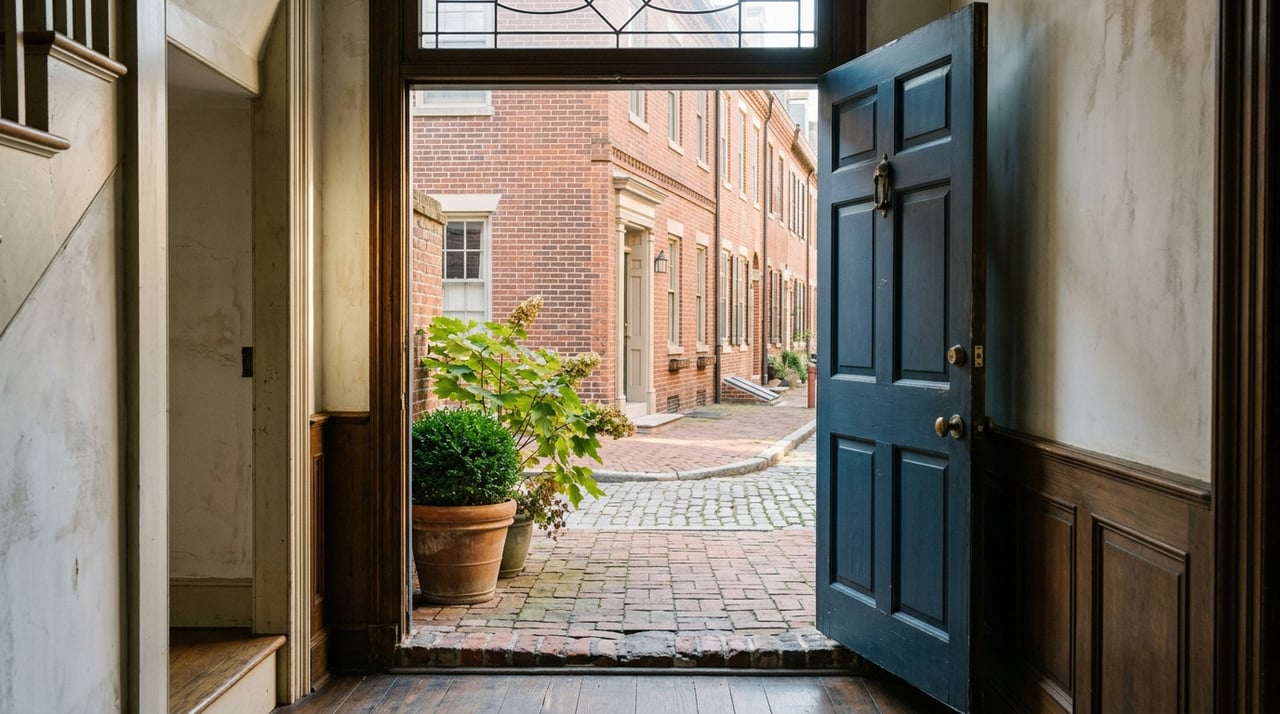
The city describes the historic downtown core as a one-square-mile National Historic Landmark with historic homes, brick streets, sidewalks, boutiques, and cafes. Eastport, just across the bridge, is part of Annapolis’ maritime core and blends residential streets with marine-related activity and close access to downtown.
Housing Style and Setting
Cape St. Claire homes
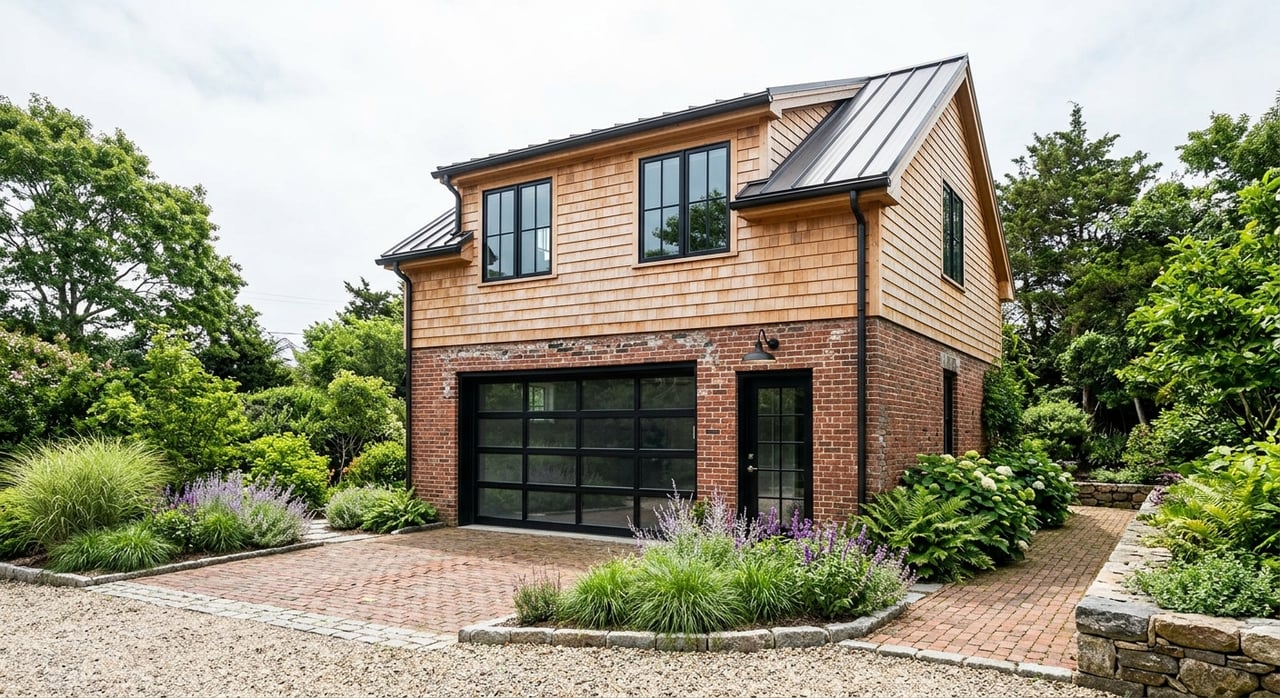
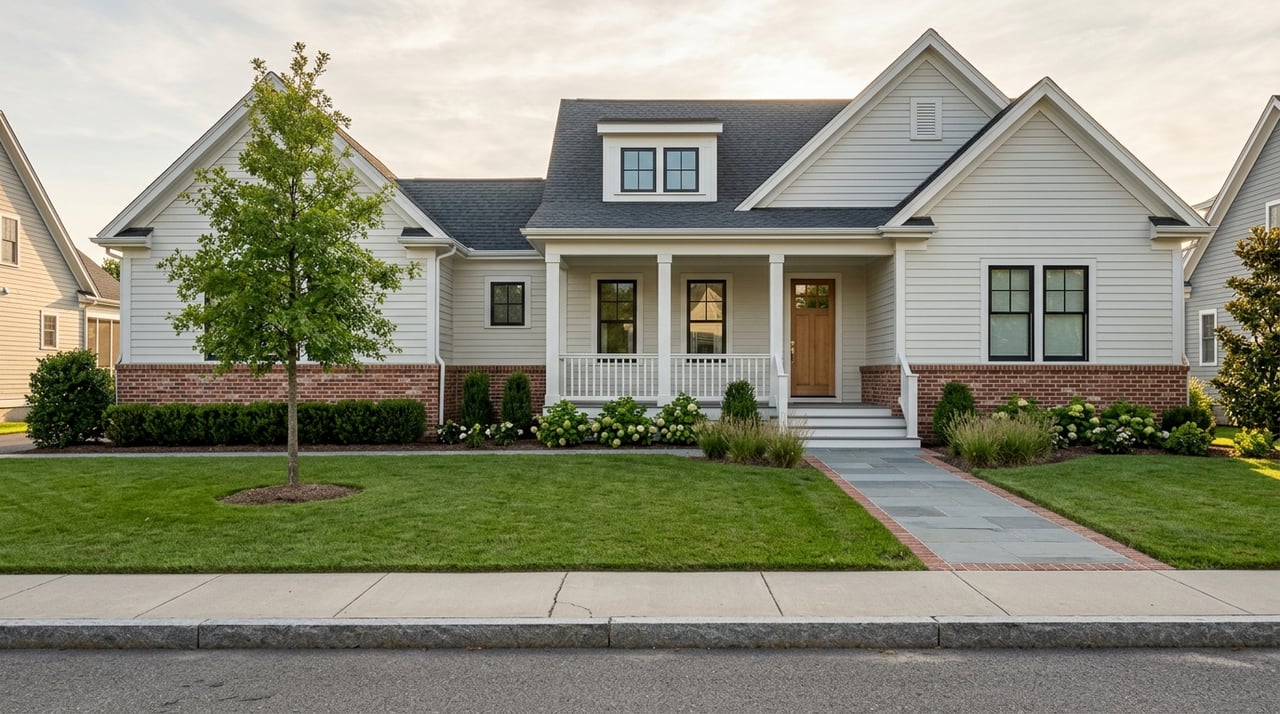
Cape St. Claire is largely made up of detached single-family homes. Styles range from ranchers and split levels to colonials and contemporaries, which gives the neighborhood a varied feel rather than a tightly uniform streetscape.
For many buyers, that means more emphasis on house size, yard space, and a suburban layout. If you picture pulling into a driveway, having a detached home, and living in a community planned around internal amenities, Cape St. Claire often aligns with that goal.
Eastport and Historic District homes
Eastport and the Historic District feel older and more compact. In Eastport, the city notes historic homes on narrow lots east of 6th Street, with larger residential lots west of 6th Street.
The Historic District has an even stronger urban character. Annapolis describes a mix of eighteenth-century Georgian houses and later buildings, with zoning that includes residential, commercial, mixed-use, and special historic commercial categories.
Historic rules matter downtown
If you love the idea of owning in the Historic District, it is important to understand that exterior projects require a certificate of approval. That does not make ownership harder for everyone, but it does add another layer to renovations and exterior changes.
For some buyers, that preservation framework is part of the appeal because it helps maintain the district’s historic character. For others, Cape St. Claire may feel simpler if flexibility and a less regulated built environment matter more to you.
Water Access Feels Different
Cape St. Claire water lifestyle
Cape St. Claire is organized around neighborhood water access. The community association says the neighborhood includes three marinas, multiple parks and beaches, and about 30 acres of community parks, beaches, clubhouses, and marinas.
That creates a lifestyle where water is woven into the community itself. You may not be living in a dense waterfront district, but you are living in a neighborhood shaped by beaches, parks, and shared access points.
There is one practical detail to keep in mind. Fewer than 220 boat slips serve more than 2,500 homes, so boat-slip access can involve waitlists.
In-town Annapolis water lifestyle
In-town Annapolis offers a more urban waterfront experience. The city reports an estimated 2,387 marina boat slips and about 1,000 private slips, and its downtown waterfront district is intended for docks, slips, public access, recreational uses, and waterfront views connected to the historic core.
In Eastport, homes sit among marine businesses and close to the working and recreational waterfront. That can feel more immediate and more integrated with daily city life than a suburban community model.
Walkability and Daily Convenience
Cape St. Claire daily rhythm
Cape St. Claire tends to support a more suburban routine. You are in a residential setting where the appeal comes from neighborhood amenities, detached housing, and a quieter pace rather than from walking to a dense cluster of shops and restaurants.
For buyers who do not mind getting in the car for many errands, that may feel completely natural. If your priority is space and a neighborhood-oriented environment, the tradeoff may be worth it.
Eastport and downtown convenience
If walking matters a lot to you, the city core has the stronger case. Annapolis planning materials identify Eastport and Inner West Street as highly walkable areas, and Annapolis Transit serves Eastport Shopping Center, West Street, Church Circle, and other city stops.
That can change the feel of everyday life in a meaningful way. You may be able to combine dining, waterfront access, and routine errands in a way that is harder to replicate in Cape St. Claire.
Commute, Traffic, and Parking
Cape St. Claire commuting patterns
Cape St. Claire is more car-dependent. Anne Arundel County planning materials say there is currently no transit route connecting the community east of Anne Arundel Community College to the surrounding area, and transportation on the Broadneck Peninsula leans on US 50/301, College Parkway, and MD 2.
County planning documents also note seasonal traffic on the US 50/301 corridor. In practical terms, daily life in Cape St. Claire usually means driving for commuting, errands, and many activities outside the neighborhood.
In-town Annapolis transportation patterns
Eastport and downtown Annapolis face a different set of issues. Traffic, safety, parking, bus service, biking, and walking are active topics in the Eastport Transportation Study, and residential permit parking is among the management tools discussed.
So while city living may reduce your need to drive everywhere, it can also mean thinking more carefully about parking, street access, and how busy certain areas feel. This is less about one option being easier and more about which type of friction you prefer.
Which Lifestyle Fits You Best?
Choose Cape St. Claire if you want
Cape St. Claire may be the better fit if you are looking for:
- A detached single-family home setting
- A more suburban pace
- Neighborhood beaches, parks, and marinas
- A community organized around internal amenities
- More separation from the density of downtown Annapolis
This choice often appeals to buyers who want water-oriented living without being in the middle of the city.
Choose in-town Annapolis if you want
Eastport or the Historic District may be the better fit if you are looking for:
- Historic character and older streetscapes
- A denser, more urban setting
- Stronger walkability
- Closer access to downtown Annapolis
- Water, dining, and city life woven together day to day
This option often appeals to buyers who care deeply about proximity, historic context, and a more connected daily routine.
The Real Tradeoff
The biggest takeaway is simple. This is not a matter of better versus worse.
Cape St. Claire offers more of a suburban, detached-home experience with neighborhood water amenities. In-town Annapolis offers more urban convenience, historic texture, and close connection to downtown waterfront life.
If you are deciding between the two, it helps to think beyond square footage or commute time alone. Consider how you want your mornings, evenings, weekends, and errands to feel because that is often what makes one area clearly right for you.
Whether you are comparing a waterfront-adjacent home in Cape St. Claire or a historic property in Eastport or downtown, working with someone who understands Annapolis micro-markets can make your decision much clearer. If you want tailored guidance on where your lifestyle and goals fit best, connect with Brian Jacobs.
FAQs
What is the main difference between Cape St. Claire and in-town Annapolis living?
- Cape St. Claire offers a more suburban setting with detached homes and neighborhood water amenities, while in-town Annapolis areas like Eastport and the Historic District offer a denser, more walkable, and more urban lifestyle.
Is Cape St. Claire part of the City of Annapolis?
- No. Cape St. Claire is on the Broadneck Peninsula about 7 miles east of Annapolis and is outside the city, while Eastport and the Historic District are within Annapolis.
Are homes in Cape St. Claire mostly single-family houses?
- Yes. Cape St. Claire is largely made up of detached single-family homes, including ranchers, split levels, colonials, and contemporaries.
Is Eastport more walkable than Cape St. Claire?
- Yes. Annapolis planning materials identify Eastport as highly walkable, while Cape St. Claire is more car-dependent.
Does Cape St. Claire offer community water access?
- Yes. The community includes three marinas, multiple parks and beaches, and about 30 acres of community parks, beaches, clubhouses, and marinas.
What should buyers know about Historic District homes in Annapolis?
- Buyers should know that exterior projects in the Historic District require a certificate of approval, which can affect renovation planning and timelines.