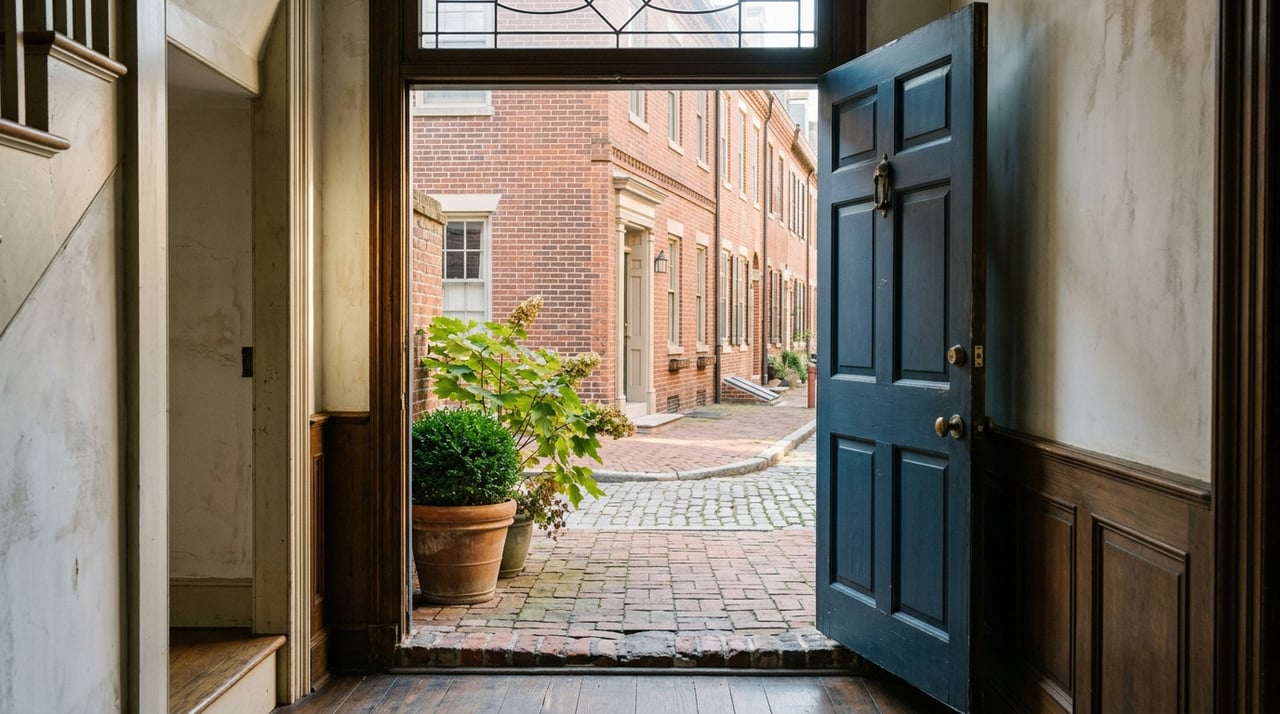
If you love the idea of walking to dinner, heading down to the water without getting in the car, and living in a neighborhood with real character, Historic Annapolis and Murray Hill deserve a closer look. For many buyers, the goal is not to give up a car completely. It is to use it less and enjoy a more connected daily routine. In these two Annapolis neighborhoods, that kind of lifestyle is very possible. Let’s dive in.
Why car-light living works here
Historic Annapolis was shaped long before modern traffic patterns. The city describes the historic district as pedestrian-oriented and human-scale, with narrow streets and a dense mix of 18th-, 19th-, and 20th-century buildings. That physical layout still matters today because it keeps daily destinations close together and makes walking feel natural.
Murray Hill extends that same rhythm just beyond the downtown core. The city describes it as one of the older neighborhoods closest to downtown, with interconnected streets and a pedestrian scale reminiscent of the core. In practical terms, that means you can often move through the neighborhood on foot in a way that feels easy and direct.
This does not mean every errand happens without a car. It does mean your day can revolve more around walking, shorter trips, and selective driving. For many people, that is the sweet spot.
What you can reach on foot
One of the biggest advantages of living in Historic Annapolis or Murray Hill is how much is clustered nearby. Instead of planning your day around parking and traffic, you may be able to step outside and head where you want to go.
Historic sites and downtown streets
Historic Annapolis includes a concentrated group of landmarks and museums within the historic core. Sites such as the Museum of Historic Annapolis on Main Street, the William Paca House and Garden on Prince George Street, Hogshead Trades Museum on Pinkney Street, and the James Brice House on East Street are all part of a district designed for strolling between destinations.
That walkable pattern shapes daily life even if you are not visiting museums every week. The same street network that connects civic and historic sites also connects homes, local businesses, and waterfront areas. It creates a neighborhood experience that feels active without feeling rushed.
Harbor access and waterfront routine
In Annapolis, the harbor is part of everyday life. The city notes that the Harbormaster manages City Dock, shoreline facilities, and street-end landings, and that Annapolis Harbor and Ego Alley connect visitors and boaters to restaurants, bars, and nearby points of interest.
For residents, that means waterfront access is woven into the setting. A casual walk by the water, a stop near City Dock, or an evening out near the harbor can become part of your normal routine rather than a special trip.
Arts, dining, and local events
The walkable core also includes the state-designated Arts and Entertainment District along West Street. According to the city, this area includes Maryland Hall, galleries, studios, venues, restaurants, and recurring events such as the Annapolis Film Festival, Restaurant Week, First Sunday Arts Festivals, Dinner Under the Stars, and several parades.
If you enjoy being close to activity, this matters. A neighborhood becomes more livable when events, dining, and cultural spaces are nearby, not across town. In Historic Annapolis and Murray Hill, many of those experiences are close enough to become part of your weekly life.
Parks and public access
Outdoor space is close at hand too. The city says Annapolis has 40 parks and trails across more than 200 acres of park land, and it highlights street-end parks and public water access as part of the city’s long-term community facilities planning.
That adds another layer to car-light living. You are not limited to sidewalks and storefronts. You also have access to parks, shoreline areas, and places where you can simply step outside and enjoy the setting.
How housing supports the lifestyle
A car-light lifestyle is not just about location. It is also about the type of housing and block pattern that support that location. In both Historic Annapolis and Murray Hill, the housing stock contributes to the way these neighborhoods function.
Historic Annapolis home types
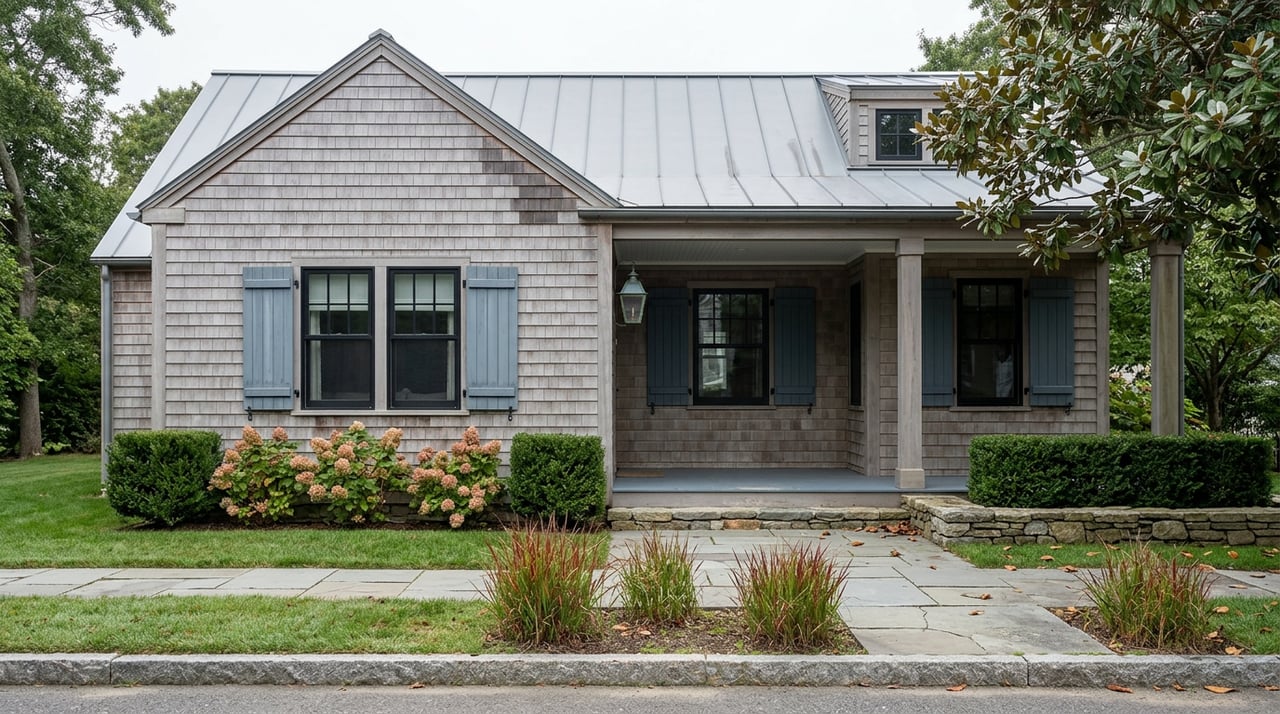
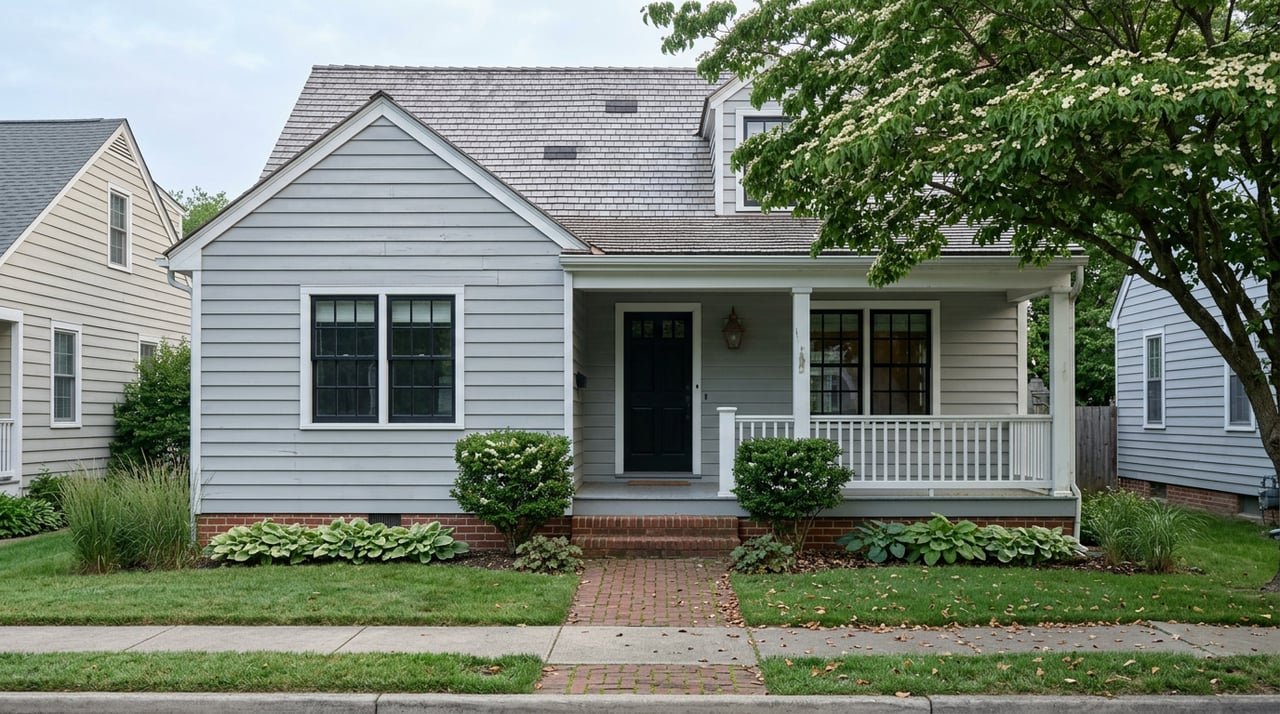
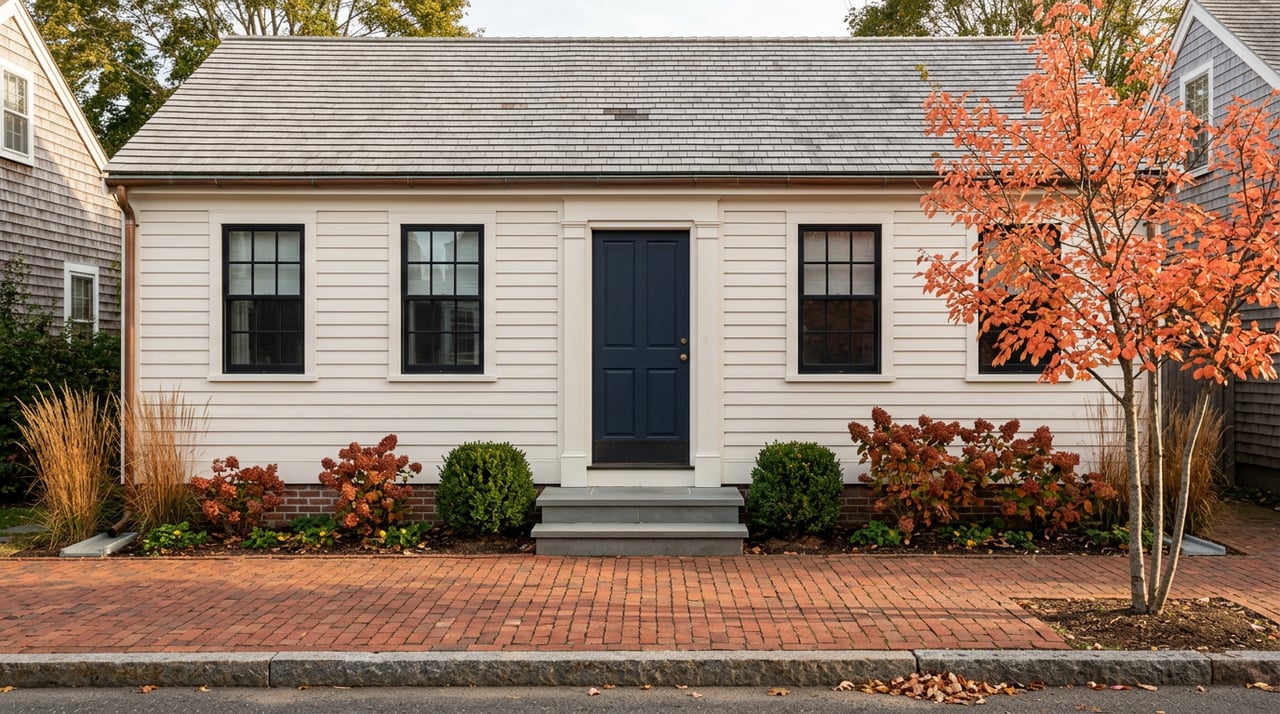
The city’s historic district design manual describes a varied housing mix, not a single uniform style. You will find Georgian houses alongside 19th- and 20th-century buildings, as well as smaller early wood-frame homes that were often only 18 to 22 feet wide. Some houses were detached, while others were attached and helped define the street edge.
That detail is important because it explains why the neighborhood feels close-knit and walkable. Narrower lots, attached homes, and street-facing buildings create a stronger sense of enclosure and proximity. The result is a streetscape that feels made for walking rather than driving through.
The district also includes rowhouse patterns. A Historic Preservation Commission staff report describes 60 Cornhill Street as one of four brick single-family rowhouses built in 1821, which reflects the long-standing presence of attached housing in the historic core.
Murray Hill neighborhood texture
Murray Hill is more residential in feel, but it still aligns with the same basic pattern. The neighborhood association describes homes from various periods and architectural styles, while the city emphasizes its interconnected street network and pedestrian scale.
For buyers, that often translates into a quieter residential setting with strong access to downtown. You may get a little more separation from the busiest parts of the core while still keeping many of the same walkable benefits.
Why mixed-use matters
One reason car-light living works in this part of Annapolis is that uses are close together. The city’s Historic District Streets and Zones mapping shows a patchwork of residential, conservation, business, professional, waterfront, and mixed-use districts across downtown streets.
You do not need to know zoning categories to feel their effect. When housing, small-scale commerce, civic spaces, and waterfront destinations sit near each other, daily life becomes simpler. That is one of the key reasons these neighborhoods feel different from areas where every trip starts with a car key.
What car-light really means
It helps to be realistic here. Car-light does not mean car-free for most residents.
The city provides fixed bus routes, a free downtown shuttle, and a free trolley. At the same time, downtown parking is actively managed through garages, lots, residential permits, and enforcement, with EV charging available in key garages.
That setup tells you a lot about how people actually live in this area. Walking is useful. Transit and circulator options can help. But driving still plays a role, especially for regional travel, larger shopping trips, or plans outside the core.
For some buyers, that is a major plus. You can enjoy a walk-based lifestyle for many daily activities without pretending you will never need a car again.
Parking and access to keep in mind
Parking is part of the tradeoff in any older, compact neighborhood. Historic Annapolis notes that public on-site parking is not available at its sites, and nearby street parking is largely residential with limited paid spaces. It also notes that weekend parking at the Calvert Street Garage is free and within a short walk.
For residents, the takeaway is simple. These neighborhoods reward people who value access over excess parking. If your priority is being close to the harbor, downtown streets, events, and neighborhood destinations, the convenience of walking may matter more than having abundant parking right outside your door.
Who this lifestyle fits best
Car-light living in Historic Annapolis and Murray Hill tends to work well if you value proximity, character, and flexibility. You may be a good fit if you want to walk to meals, waterfront areas, local events, and many neighborhood destinations instead of driving for every outing.
It can also appeal if you appreciate historic homes, rowhouses, and older neighborhood patterns that create a stronger sense of place. For some buyers, that tradeoff feels far more rewarding than a more spread-out layout built around parking lots and wider roads.
If you are weighing Historic Annapolis or Murray Hill, the best question is not whether you can live without a car at all. The better question is whether you want your everyday life to depend on your car less.
If you want help comparing blocks, housing types, and lifestyle tradeoffs in downtown Annapolis, Brian Jacobs can help you evaluate what fits your goals and how each micro-location really lives day to day.
FAQs
Is Historic Annapolis walkable for everyday living?
- Yes. The historic core is pedestrian-oriented, and many downtown destinations, historic sites, waterfront areas, and event spaces are located within a compact area.
Is Murray Hill connected to downtown Annapolis?
- Yes. The city describes Murray Hill as one of the older neighborhoods closest to the downtown core, with interconnected streets and a pedestrian scale reminiscent of downtown.
What types of homes are common in Historic Annapolis?
- The area includes a mix of Georgian houses, modest early wood-frame homes, attached houses, rowhouses, and later 19th- and 20th-century buildings.
Does car-light living in Annapolis mean you do not need a car?
- Not usually. Many daily activities can happen on foot, but a car can still be helpful for regional trips, larger shopping runs, and destinations outside the core.
What transportation options support car-light living in downtown Annapolis?
- The city provides fixed bus routes, a free downtown shuttle, and a free trolley, in addition to walkable street networks in and around the historic core.