Are you looking at a property in St. Margaret’s waterfront area and wondering whether a small project could make real sense? You are not alone. In this part of Annapolis, buyers, homeowners, and small builders often see opportunity in older waterfront and near-water homes, but the details of lot layout, permits, and Critical Area rules can quickly shape what is actually possible. This guide will help you understand where the best small project opportunities tend to be, what constraints matter most, and how to evaluate a property with more confidence. Let’s dive in.
Why St. Margaret’s Draws Project Interest
The market context supports careful, well-executed value-add work. In ZIP code 21409, which is a useful benchmark for St. Margaret’s-area addresses, Zillow reported an average home value of $607,165 as of June 30, 2026, up 1.4% year over year. Zillow also reported homes going pending in around 6 days, while Realtor.com described 21409 as a seller’s market with a median 32 days on market and a 100% sale-to-list ratio in June 2026.
Redfin placed the median sale price in 21409 at $554,835 over the three months ending May 2026. That compares with Anne Arundel County’s median sale price of $520,938 over the same period. Taken together, those numbers point to a competitive local market where strong presentation and smart improvements can matter.
Housing Stock Favors Smaller Projects
The existing housing stock helps explain why smaller projects often fit better here than major redevelopment. According to the 2020 to 2024 ACS data for ZIP 21409, 73.9% of homes are 1-unit detached, 91.0% are owner-occupied, and just 3.5% are vacant. That is a market built around established homes on existing lots, not broad new multifamily construction.
The age of the housing stock matters too. In 21409, 23.4% of homes were built in the 1980s, 22.9% in the 1970s, and 11.8% in the 1960s, while only 0.4% were built in 2020 or later. With many 3- and 4-bedroom homes and a median of 7.4 rooms, the area often lends itself to renovation, expansion, or selective replacement rather than starting from scratch at a larger scale.
Best Small Project Types
Renovations of Existing Homes
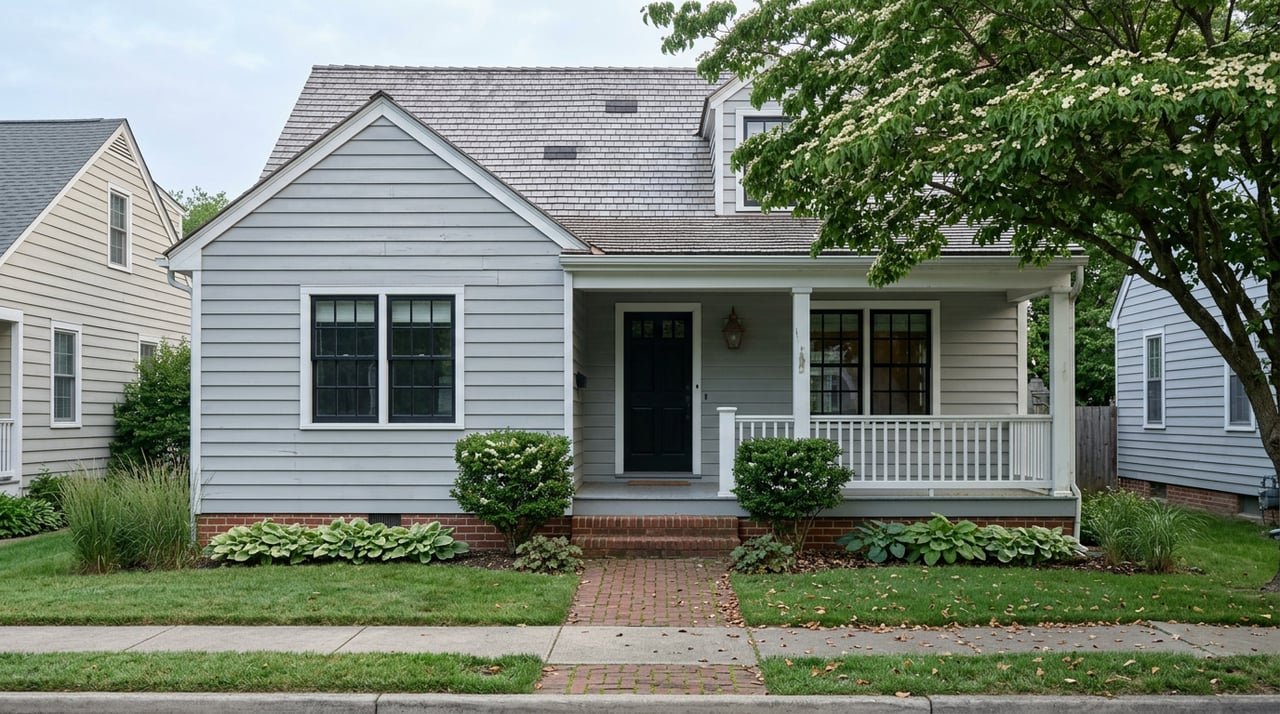
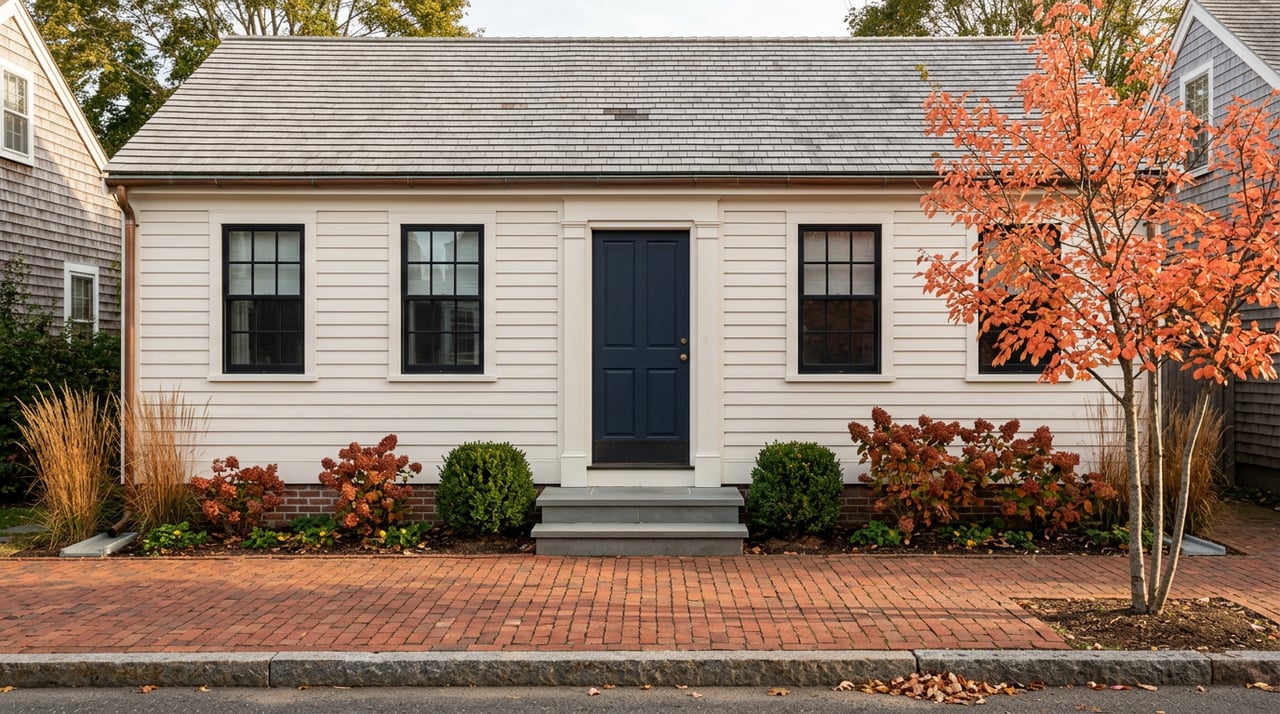
For many buyers and small investors, the clearest opportunity is updating an existing detached home. Older houses can often benefit from interior modernization, systems upgrades, and exterior refresh work while keeping the basic footprint intact. In a market with tight inventory and fast-moving listings, that kind of project can line up well with what buyers want.
This approach can also reduce some of the uncertainty that comes with more complex site changes. If the home already fits the lot and utility setup, your path may be more straightforward than with a full redesign. That does not remove permit or planning requirements, but it can make the project easier to underwrite.
Additions With Early Site Review
Additions can work well when the lot geometry supports them. In the St. Margaret’s waterfront area, though, waterfront lot rules can change the design equation very quickly. Anne Arundel County defines the front lot line of a waterfront lot as the boundary that abuts the mean high-water line, which means the shoreline side is treated as the front yard.
That single detail can affect where you may be able to build. The county also notes that setbacks depend on zoning, the structure type, and the proposed development, and that buildability may not be fully assessable until a development or permit application is filed. For that reason, the best addition candidates are usually properties where the buildable envelope, utility placement, and Critical Area limits are reviewed early.
Tear-Down and Rebuild Opportunities
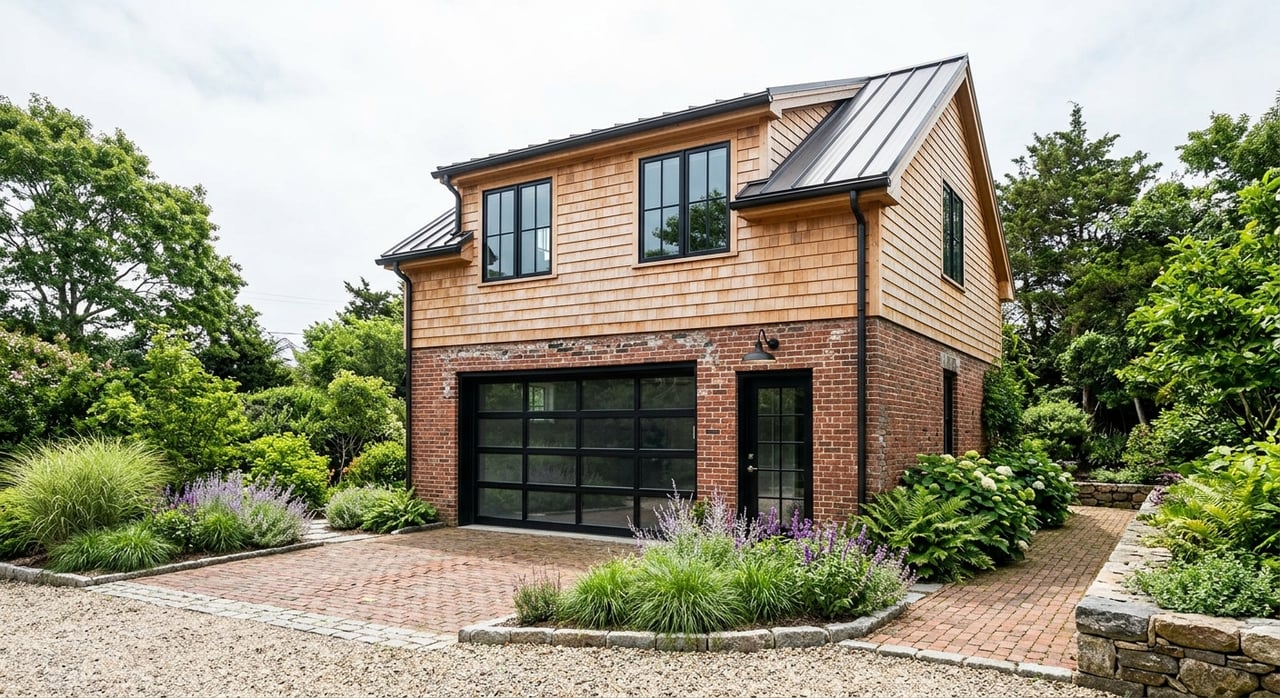
Selective replacement homes can make sense on the right lot. If an existing home is functionally outdated or poorly positioned, a tear-down and rebuild may create a better result than trying to force a major renovation. Still, this strategy works best when you have a clear understanding of setbacks, site constraints, utilities, and shoreline-related regulations before you commit.
In this area, that upfront work is not optional. A rebuild may look attractive on paper, but practical limits tied to the waterfront edge and Critical Area can reshape the plan. The strongest opportunities are usually the ones that are carefully underwritten from the start.
Exterior Improvements That Add Use
Not every value-add project needs to be large. Smaller exterior projects can improve daily enjoyment and resale appeal, especially where buyers care about water-oriented living. On the right property, a better outdoor setup can make a meaningful difference.
Anne Arundel County lists several common waterfront improvements as permit-driven work items, including residential piers, bulkheads, rip rap, and retaining walls. The county also says fences on waterfront properties require permits, and sheds in the Critical Area always require permits. Detached decks under 200 square feet and under 3 feet high may avoid permits only if the property is outside the Critical Area or Bog Contribution Drainage Area.
Critical Area Rules Shape Feasibility
The Chesapeake Bay Critical Area is one of the biggest filters for small projects in the St. Margaret’s waterfront area. Anne Arundel County says the Critical Area extends 1,000 feet landward from tidal waters or tidal wetlands. Within that, the first 100 feet is the Critical Area Buffer.
That matters because disturbance in the buffer generally requires approval, and the buffer can expand around steep slopes and other sensitive areas. In practical terms, grading, clearing, tree work, shoreline stabilization, and new structures can all trigger extra review. A project that seems simple at first glance may become more involved once the site is mapped properly.
Why Permits Matter Early
In Anne Arundel County, many projects that owners think of as minor are still treated as development. The county says any change in existing site conditions involving construction, alteration, relocation of a structure, stormwater work, grading, or clearing requires a development plan. That means early planning is often one of the most valuable steps you can take.
For Critical Area work, the county wants an application to show the total site area, the portion in the Critical Area, disturbed areas, Critical Area designation, existing and proposed structures, utilities, and mean high-water lines. Before filing a variance, special exception, Critical Area reclassification, or certain other applications, the county requires a pre-file meeting. For a single-lot property, the owner should start with a simple site plan.
Sewer and Septic Can Change the Deal
One of the most important feasibility checks is utility service. Anne Arundel County notes that some waterfront homeowners still use septic systems, while some communities have converted to public sanitary sewer. The county also reports that more than 40,000 properties use on-site septic systems.
If you are considering an addition, a bedroom-count change, or a replacement home, sewer access and septic capacity can be just as important as zoning. A project that works from a design standpoint may still run into utility limitations. This is one of the first issues worth confirming before you spend heavily on plans.
Access and Timing Affect Execution
Project success is not only about the lot itself. Access, deliveries, trade scheduling, and showing logistics can all be affected by road conditions and corridor work. MDOT SHA identifies Saint Margarets Road as MD 179, with the eastbound US 50 interchange at Exit 29, and it has recently posted work affecting the MD 179 and US 50 ramps.
That does not mean every project will face disruption, but it does mean timing matters. If your project depends on regular trade access, staging, or frequent showings, nearby transportation work can affect the schedule. This is another reason local project guidance can be valuable.
How to Evaluate a Small Project
Before you move forward on a property, focus on the few issues that most often decide whether a project is practical.
- Confirm whether the property is in the Critical Area
- Review the lot shape and likely building envelope
- Check waterfront yard orientation and setback implications
- Verify sewer access or septic capacity
- Identify any shoreline or exterior improvements that may need permits
- Consider road access and timing for deliveries, trades, and showings
A promising project is usually not the one with the biggest idea. It is the one where the site, the rules, and the budget all align.
Where Local Guidance Helps Most
In the St. Margaret’s waterfront area, local knowledge can save time and reduce guesswork. Anne Arundel County says a Critical Area planner is available through the Planner of the Day, and the county can check whether a property is in the Critical Area by street address or tax account number. That kind of early confirmation can help you avoid chasing a plan that does not fit the site.
For buyers, sellers, and small builders, this is where neighborhood-level advice becomes especially useful. A property may look straightforward online, but the real story often sits in the lot lines, utility setup, shoreline conditions, and permit path. When you understand those factors early, you can make better decisions and move with more confidence.
If you are exploring a renovation, addition, rebuild, or small waterfront value-add opportunity in Annapolis, working with a local advisor who understands both market demand and project fit can make a real difference. For thoughtful guidance on St. Margaret’s-area properties and small development opportunities, connect with Brian Jacobs.
FAQs
What kinds of small projects fit St. Margaret’s waterfront properties?
- The strongest fit is often a well-planned renovation, a carefully reviewed addition, a selective tear-down and rebuild, or smaller exterior improvements that improve usability and resale appeal.
Why are waterfront lots in St. Margaret’s more complicated to build on?
- Anne Arundel County treats the shoreline side of a waterfront lot as the front yard, and setbacks, Critical Area rules, and permit review can all affect what is feasible.
What is the Critical Area in Anne Arundel County waterfront locations?
- The Critical Area extends 1,000 feet landward from tidal waters or tidal wetlands, and the first 100 feet is the Critical Area Buffer where disturbance generally requires approval.
Do small exterior projects in St. Margaret’s waterfront areas need permits?
- Many do, including fences on waterfront properties, sheds in the Critical Area, and work such as piers, bulkheads, rip rap, and retaining walls.
Why should you check sewer or septic before planning a home addition?
- Bedroom-count changes, additions, and replacement homes may be limited by sewer access or septic capacity, so utility review can be a major feasibility step.
How can you confirm whether a St. Margaret’s property is in the Critical Area?
- Anne Arundel County says a Critical Area planner can help confirm this by street address or tax account number through the Planner of the Day.