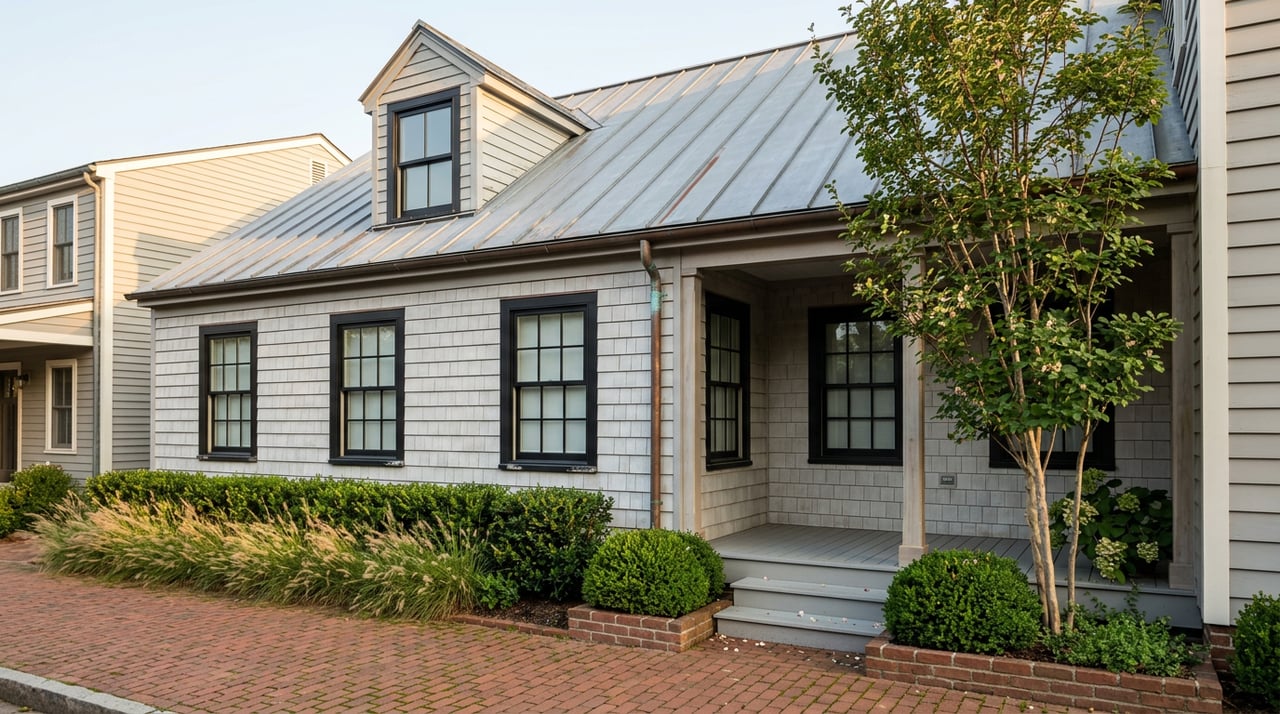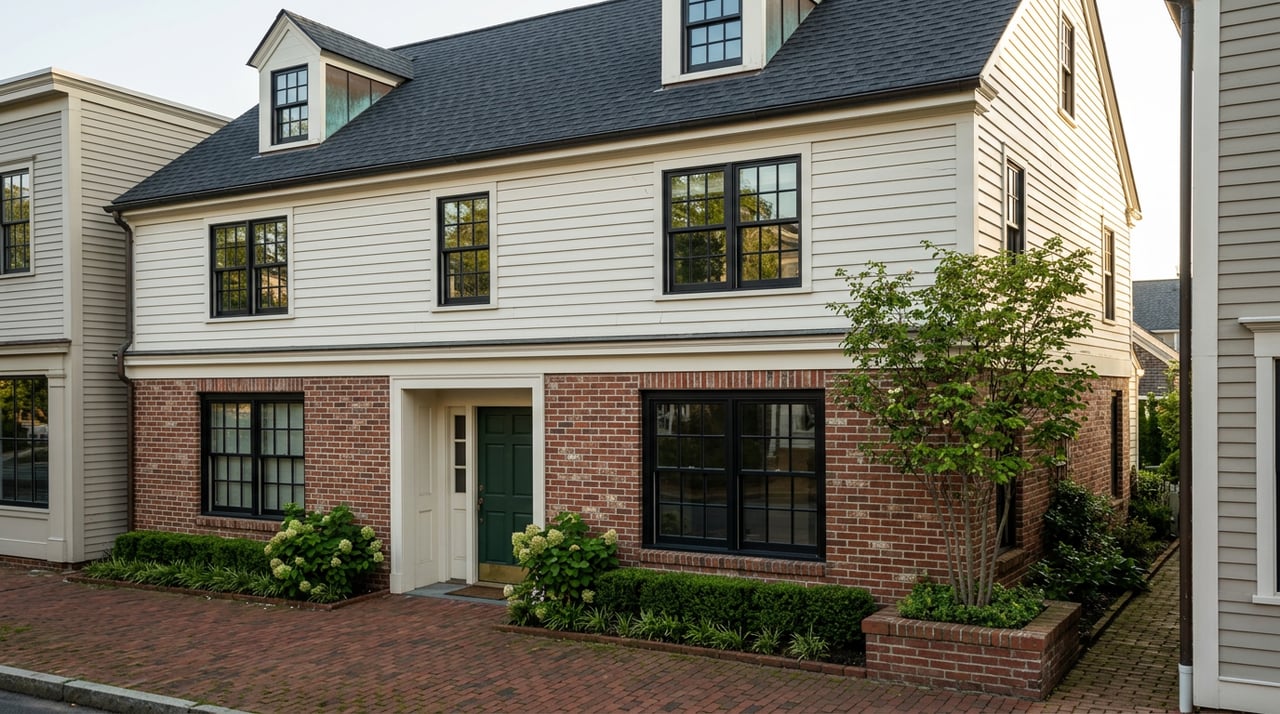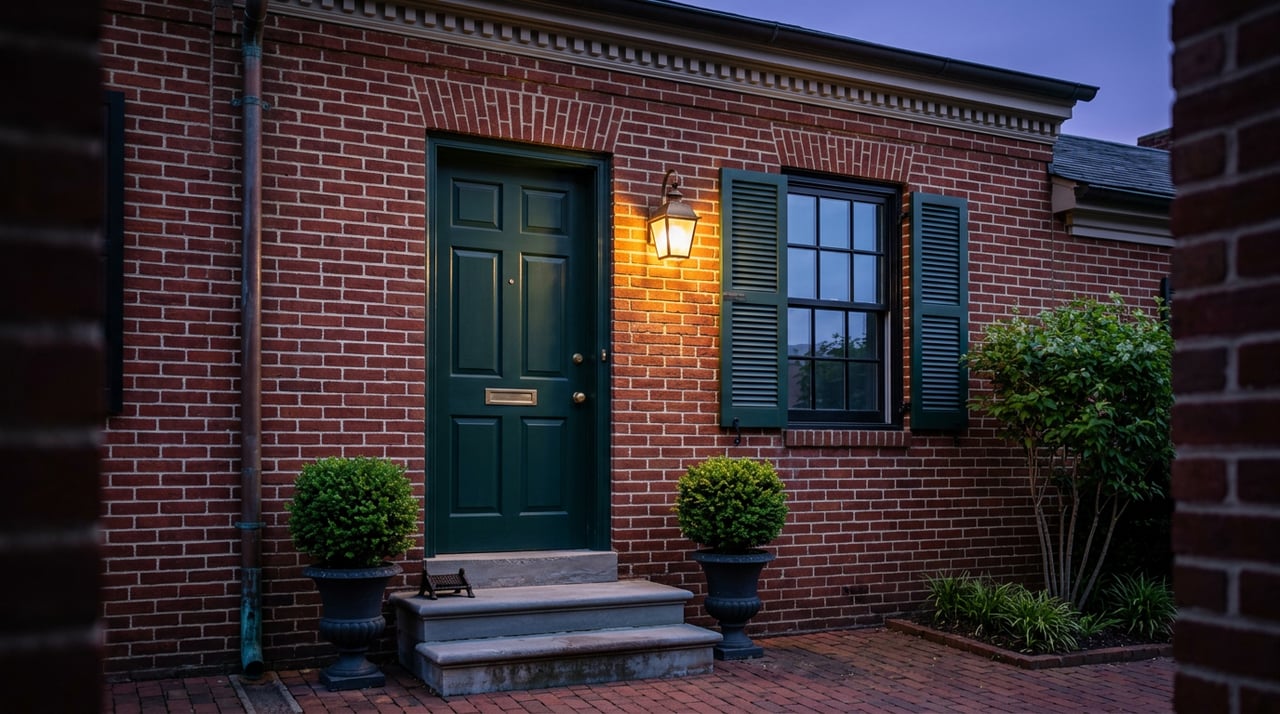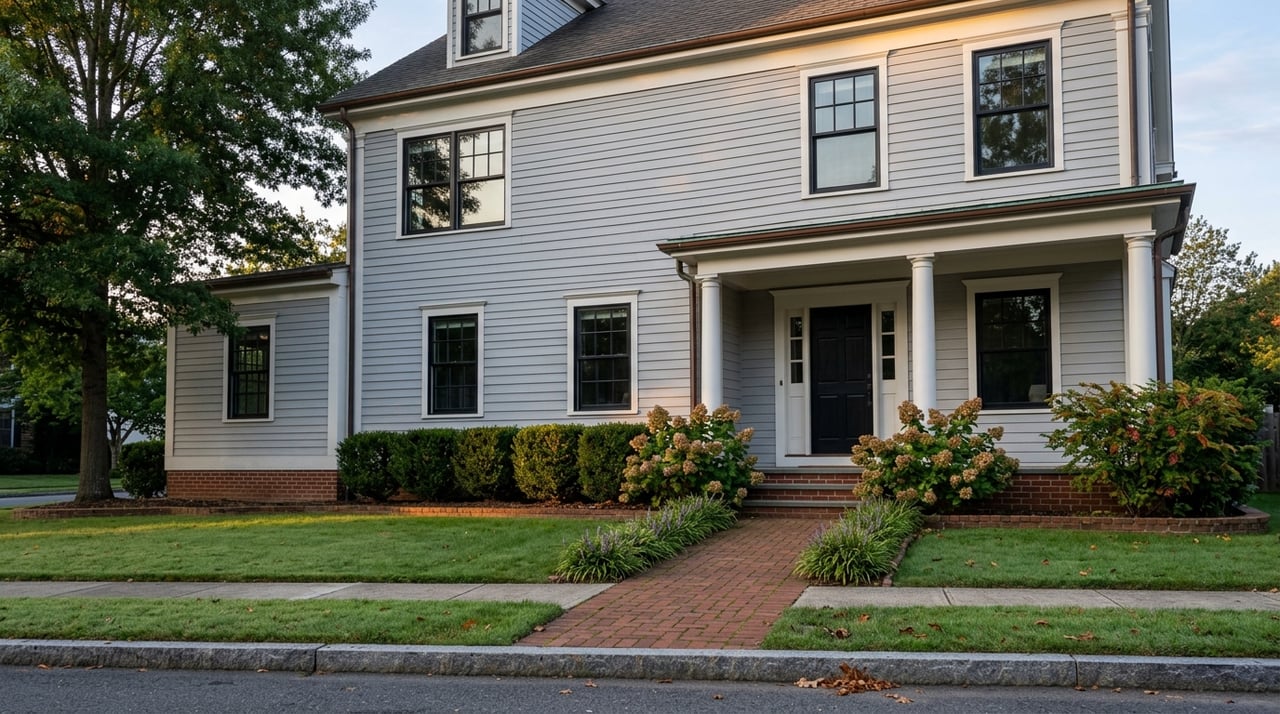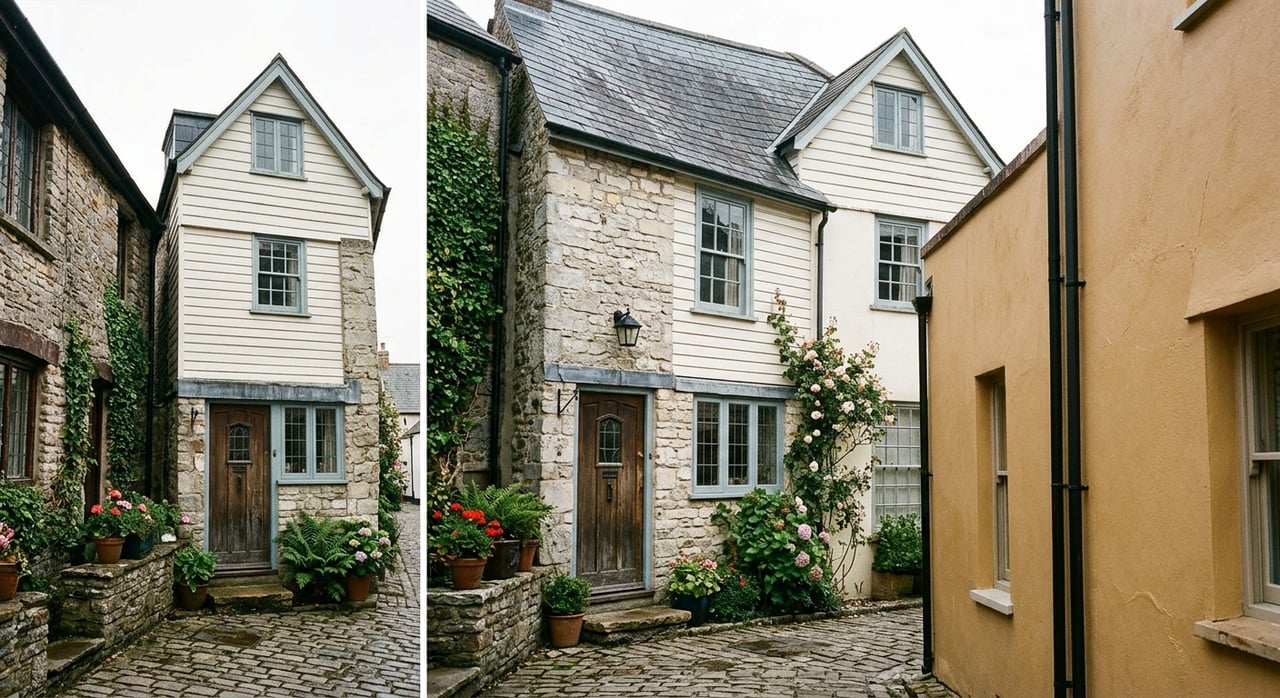
Thinking about a teardown, lot split alternative, or custom spec home in Eastport? This is one of Annapolis’ most compelling places to build, but it is also one of the easiest places to misread. Between narrow historic streets, parcel-by-parcel zoning, waterfront resilience issues, and layered city review, a promising site can look simple at first and become far more complex once due diligence begins. This guide will help you understand the practical questions to answer before you buy, design, or market an infill or small-lot project in Eastport. Let’s dive in.
Why Eastport draws infill interest
Eastport sits just across Spa Creek from downtown Annapolis and is closely tied to the city’s waterfront identity. City materials describe it as the maritime heart and soul of Annapolis, where homes and marine businesses coexist, and where the neighborhood’s historic core east of 6th Street is defined by narrow lots, marinas, restaurants, and historic homes. The area west of 6th Street generally includes newer development patterns and larger residential lots, according to the city’s Eastport transportation study.
That mix creates real opportunity for small-lot and infill projects. In many cases, the strongest appeal is not sheer building size, but a location that feels connected to the water, downtown, and Eastport’s everyday rhythm. For buyers, that often translates into strong interest in homes that feel custom, walkable, and rooted in the neighborhood rather than generic new construction.
Start with parcel-specific zoning
One of the biggest mistakes in Eastport is assuming the whole neighborhood works under one set of development rules. It does not. The city’s Historic District streets and zones reference shows a mix of residential, commercial, public, mixed-use, and maritime districts, and those designations can change from block to block.
That means your first step should be confirming the exact zoning for the parcel you are evaluating. A lot that appears similar to one nearby may carry a different designation, review path, or use limitation. In Eastport, that parcel-level check is not optional. It is the foundation for everything that follows.
Maritime zoning matters on waterfront parcels
If a site touches or relates to the waterfront, maritime zoning may be central to the project. Annapolis says its four maritime zoning districts were created to protect and promote the maritime industry, and two of them often matter most in Eastport: the Waterfront Mixed Maritime district and the Waterfront Maritime Eastport district. The city explains that Waterfront Mixed Maritime and Waterfront Maritime Eastport have different purposes, including reserving the water’s edge for maritime uses in some cases and allowing maritime and accessory uses with single-family residences where lot configuration limits maritime industrial operations.
For a buyer, builder, or seller, that distinction can affect use, design, and ultimate value. A waterfront address may sound straightforward in marketing, but the zoning behind it may shape what can actually be built, preserved, or sold.
Overlay districts can shape design
Eastport also sits within a broader planning framework that includes overlay tools tied to neighborhood character. The city’s Zoning Unlocked initiative is intended to better align zoning with the Annapolis Ahead 2040 Comprehensive Plan, which prioritizes neighborhood preservation, housing access, economic growth, and environmental resilience. That same planning framework points to the Eastport Gateway Conservation Overlay District as an example of how Annapolis uses overlays to address neighborhood character and design.
For smaller projects, this is a practical reminder that zoning is not just about density or setbacks. In Eastport, context and conservation goals can matter just as much as raw development potential.
Historic review can shape the project early
If your parcel is in the Annapolis Historic District, exterior changes should be approached carefully from day one. The city’s Preservation Division advises property owners to ask first, apply early, and do no harm, and it reviews exterior changes while supporting the Historic Preservation Commission. You can review that process on the city’s Historic Preservation Division page.
For infill, that usually means your design should respond to the street rather than fight it. Massing, rooflines, materials, façade rhythm, and the overall feel of the block all matter. A product that might work in a suburban subdivision may not fit Eastport’s historic pattern, especially on tighter streets and narrower lots.
Compatibility often beats size
In Eastport, the market story for premium new construction often comes from fit and finish, not just square footage. Homes that read as place-specific tend to align better with the neighborhood and with buyer expectations. In practical terms, that means architecture that feels compatible, parking that feels workable, and site planning that looks like it belongs.
That idea also shows up in the city’s design guidance. Even the Historic Preservation sign guidelines, while focused on signage, reinforce the city’s broader preference for compatibility, proportion, and quality materials rather than oversized or visually disruptive elements.
Flooding and resilience are not side issues
In Eastport, resilience should be part of your underwriting, site selection, and design conversation from the start. Annapolis says nuisance flooding frequently affects low-lying parts of the city, including Compromise Street and 2nd Street in Eastport. The city also notes that sea level rise, flooding, and shoreline erosion are significant challenges in the Spa Creek and Back Creek watersheds around the neighborhood, as outlined on the city’s flooding and resilience resources.
That reality affects more than insurance or construction detail. It can influence grading, stormwater planning, access, utility strategy, and how a future buyer perceives long-term value. On certain sites, shoreline condition and drainage capacity may be just as important as lot size.
Ask resilience questions before acquisition
Before you put a site under contract, it helps to pressure-test a few practical issues:
- Is the parcel in an area where flooding, drainage, or shoreline conditions could affect buildability?
- Will sitework need to account for additional resilience measures?
- Could access or parking be disrupted during flood events?
- If the property is waterfront-adjacent, is shoreline work part of the project equation?
These questions are especially important in Eastport because they can influence both cost and marketability.
Parking and circulation deserve extra attention
Eastport’s charm is tied to its compact street pattern, but that same pattern can complicate construction and daily use. The city’s Eastport transportation study found that curbside parking demand is high, especially on Saturdays and during events. The study also identified circulation concerns and explored responses such as residential permit parking, consolidated loading zones, cycling improvements, pedestrian upgrades, and better transit information and boarding access.
For small-lot development, this matters in two ways. First, you need a realistic plan for construction logistics, deliveries, and staging. Second, you need to think through how future owners will actually live with the property on a busy Eastport street.
Narrow streets change the math
A home can look excellent on paper and still feel awkward if parking, loading, and event-day access are not resolved. That is one reason Eastport infill tends to perform best when the plan is tailored to the block. Thoughtful off-street parking, practical entry sequencing, and realistic expectations about street activity can make a major difference.
Understand the review stack early
Even smaller projects can move through a layered city process. Annapolis’ restoration project workflow offers a useful proxy for the kind of sequencing applicants may encounter, including pre-application meetings, site visits, utility and drainage review, phased design feedback, right-of-way and easement review, and permit closeout steps. While not every infill project follows that exact path, it highlights how many issues can surface early.
That is why entitlement planning should begin before final pricing assumptions are locked in. If you are buying a lot, advising a builder, or preparing a future resale strategy, it helps to map the likely review bodies and approvals before you commit.
APFO and MPDU thresholds
For larger development proposals, two city requirements deserve attention. Annapolis states that its Moderately Priced Dwelling Unit process applies to new development with 10 or more units, and the agreement must be executed before final plats are recorded. The city also says Adequate Public Facilities review is part of the entitlement stack and is applied for with site design review and a Major Site Design Plan or Planned Development.
Many Eastport infill projects will be smaller than those thresholds, but not all. If unit count or scope may expand over time, it is smart to identify those triggers early.
Building code and permitting still matter
Infill projects often combine renovation, addition, new construction, and sitework on the same property. Annapolis currently reviews permits under the 2021 International Building Code, 2021 International Residential Code, related 2021 model codes, and the 2020 National Electrical Code, with local amendments. That matters because different portions of the project may follow different permit paths and inspection sequences.
From a practical standpoint, code strategy should not wait until the permit set is nearly done. On a tighter Eastport site, construction sequencing, access, and site constraints can all affect how efficiently a project moves.
Market the lifestyle, not just the structure
Eastport’s strongest new-construction story is often about context. City materials describe the neighborhood as view-rich, maritime, and community-oriented, and Annapolis Transit’s Green Route serves Eastport Plaza and Eastport Shopping Center through the city’s business districts and local context resources. The city’s Public Water Access Plan also reinforces how important water orientation and public-realm quality are to Annapolis’ future.
For marketing, that means buyers may respond most strongly to a home that feels integrated with Eastport life. Walkability to waterfront activity, a design that respects the block, and practical resilience features can be more persuasive than broad claims about luxury alone.
A smart Eastport checklist
If you are evaluating an infill or small-lot opportunity in Eastport, start here:
- Confirm the parcel’s exact zoning and whether it sits in the historic district, a maritime district, or an overlay area.
- Review whether historic review, site design review, grading, or other city approvals may apply.
- Check if the project could trigger APFO review or the 10-unit MPDU threshold.
- Study parking, loading, and event-day circulation on that specific block.
- Evaluate flood exposure, drainage, shoreline condition, and resilience costs before underwriting the deal.
- Design for compatibility with Eastport’s scale, materials, and street rhythm.
- Build the marketing story around neighborhood fit, water orientation, and everyday livability.
Eastport can reward thoughtful development, but it rarely rewards assumptions. The best projects usually begin with precise due diligence, context-sensitive design, and a realistic understanding of how the neighborhood works block by block.
If you are weighing a lot purchase, planning a custom build, or preparing to sell a development site in Eastport, working with a local advisor can help you connect zoning, design, and buyer demand before you make your next move. Brian Jacobs offers neighborhood-rooted guidance for Eastport properties, including small development and new-construction strategy.
FAQs
What makes Eastport different for infill development?
- Eastport combines narrow historic streets, parcel-specific zoning, waterfront conditions, and layered review processes, so each site needs careful due diligence.
What zoning issues should you check for an Eastport lot?
- You should confirm the exact parcel zoning and whether the property is in the historic district, a maritime district, or an overlay area because those rules can vary by block.
What historic review issues affect Eastport construction?
- If the property is in the Annapolis Historic District, exterior changes may be reviewed for compatibility with the surrounding street pattern, including massing, rooflines, materials, and façade rhythm.
What flood risks should you consider in Eastport?
- You should review nuisance flooding, drainage, shoreline conditions, and resilience needs early because low-lying parts of Eastport are affected by flooding and coastal risk.
What parking challenges affect Eastport small-lot projects?
- Eastport has high curbside parking demand and tight circulation on many streets, so parking, loading, and event-day access should be part of planning from the start.
When do MPDU rules apply in Annapolis development?
- Annapolis says MPDU requirements apply to new development with 10 or more units, with the agreement executed before final plats are recorded.