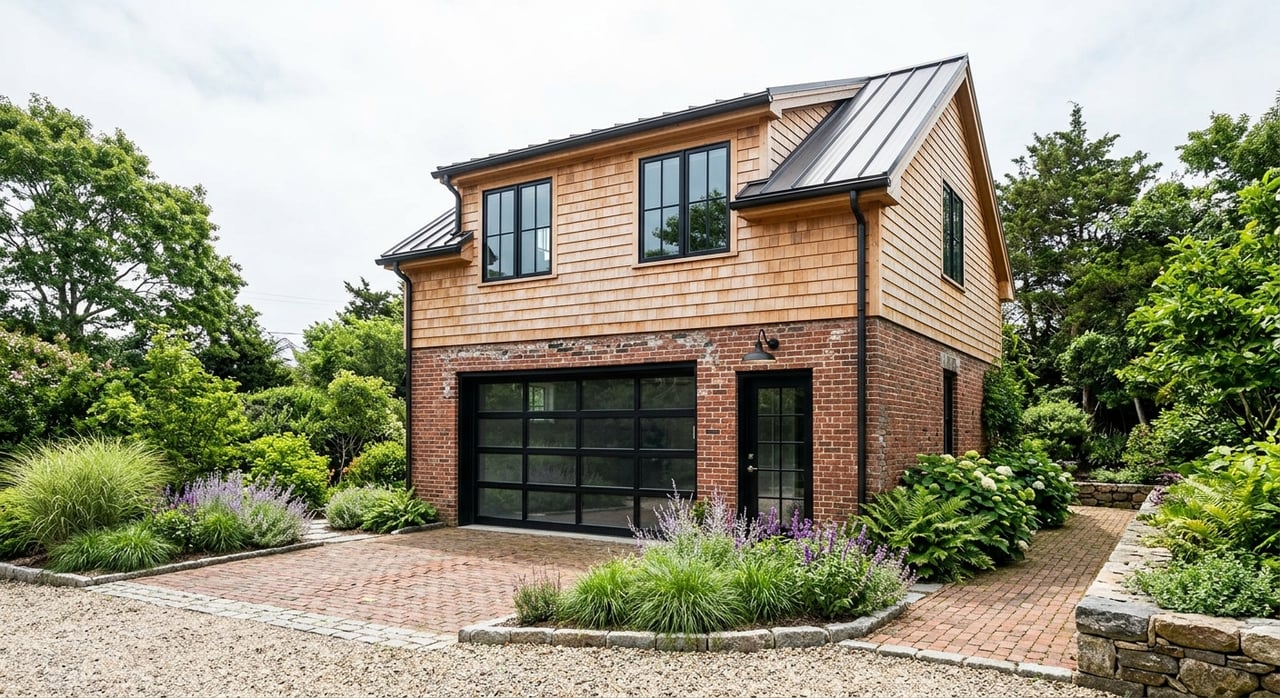
Wondering what today’s buyer really notices when they tour a Bay Ridge waterfront home? It is rarely just the square footage or the finish selections. In a place like Bay Ridge, buyers are usually taking in the house, the shoreline, the dock, and the overall waterfront lifestyle at the same time. If you are getting ready to sell, the goal is to present all of those pieces clearly and confidently. Let’s dive in.
Why Bay Ridge prep is different
Bay Ridge is a waterfront community just south of Annapolis with a mix of winterized 1920s summer cottages, newer homes, and larger residences. Local coverage describes it as a 347-acre landmass with roughly 460 homes, which helps explain why buyers often expect a strong sense of place here.
That also means your home is likely to be judged as a complete waterfront property, not just an interior. A beautiful kitchen matters, but so do the dock, the shoreline edge, the outdoor seating, and the view from inside the home.
Start with the waterfront edge
For many Bay Ridge buyers, the first big question is simple: does the water side of the property feel maintained? If the shoreline looks neglected, buyers may assume there are bigger issues behind the scenes.
A strong pre-listing plan starts with condition, not cosmetics alone. Clean dock surfaces, remove debris, check hardware, touch up trim and paint where needed, and make sure steps, railings, and sitting areas feel safe and usable.
Inspect the bulkhead before listing
Maryland guidance notes that shoreline structures can fail, and that longevity depends on proper selection, installation, and maintenance. Bulkheads should be inspected regularly for sheet failure, loss of soil behind the wall, hardware coating issues, and splits in aging timber.
If your bulkhead is deteriorating but still functional, it is usually better to address repairs before the condition gets worse. Buyers tend to respond better when a waterfront home feels cared for and documented, rather than deferred.
Gather dock and pier records early
If your property has a pier, lift, platform, or recent waterfront work, pull the paperwork together before the home hits the market. Maryland requires permits or authorizations for many activities, including building a new pier, adding certain improvements to an existing pier, dredging a boat slip, and installing a bulkhead.
Residential piers are also regulated by size, location, and environmental constraints. Having permits, approvals, and as-built information ready can reduce uncertainty when buyers start asking detailed questions.
Avoid last-minute shoreline cleanup mistakes
One of the most common waterfront selling mistakes is trying to “open up the view” too quickly. In Anne Arundel County, the Chesapeake Bay Critical Area extends 1,000 feet landward of tidal waters or tidal wetlands, and the 100-foot buffer often comes with strict rules.
County guidance makes clear that tree and vegetation removal in the Critical Area is not something to improvise. The idea that you can simply cut smaller waterfront trees without a permit is false.
Know what may require approval
Any disturbance in the 100-foot or expanded buffer may require a buffer management plan. Grading or filling can trigger additional county approval, and a grading permit is needed for disturbances greater than 5,000 square feet.
For sellers, that means your landscaping plan should focus on cleanup and maintenance, not major reshaping of the lot. Remove debris, tidy beds, define paths, and refresh outdoor areas, but do not assume shoreline changes are routine.
Treat living shorelines as a selling point
Maryland policy favors living shorelines when practical, and the state identifies them as the preferred method of shore protection. If your waterfront edge has a natural-looking, well-maintained shoreline approach, that can be a real asset.
Many buyers appreciate a shoreline that feels intentional, stable, and in step with current waterfront standards. It does not have to look overly engineered to feel valuable.
Make the exterior feel crisp and usable
Bay Ridge’s older housing mix and waterfront setting make exterior condition especially visible. Mildew, rust, peeling paint, weathered decking, and cluttered shore access stand out quickly.
This is where simple preparation can have an outsized effect. Pressure wash where appropriate, clean exterior lighting, refresh worn surfaces, and remove anything that makes the outdoor areas feel crowded or neglected.
Focus on the spaces buyers picture using
Today’s buyer wants to imagine how the property lives day to day. That is especially true on the water, where outdoor areas often carry as much emotional weight as interior rooms.
Before listing, make sure outdoor seating areas look purposeful. Arrange furniture toward the view, clear walking paths to the shoreline, and present decks, patios, and dock areas as spaces that are ready to enjoy.
Open the view from inside
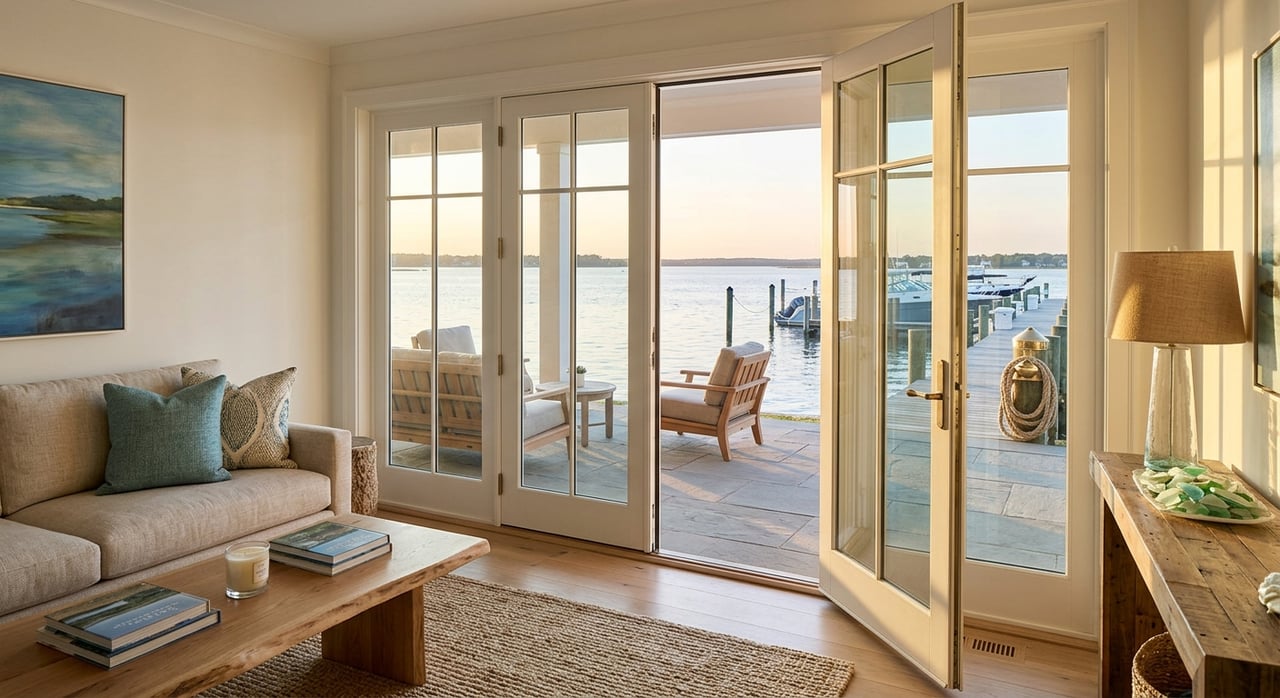
A Bay Ridge waterfront home should help buyers feel connected to the water as soon as they step inside. If furniture blocks windows or rooms feel visually heavy, you can lose one of the property’s strongest advantages.
Keep interior sightlines open and edit aggressively. Oversized furniture, crowded shelves, and busy window treatments can distract from what buyers came to see.
Stage for clarity, not clutter
The latest staging data shows why this matters. The National Association of Realtors reported in 2025 that 83% of buyers’ agents said staging made it easier for buyers to visualize a property as a future home, 73% said photos were highly important in listings, and 31% said buyers were more willing to walk through a home they saw online.
The same report found that nearly half of sellers’ agents saw faster sales when homes were staged. In practice, that means you want rooms to feel calm, bright, and scaled to the architecture, with the water view as a focal point.
Prep for photography like it is a showing
Your online presentation may shape whether a buyer ever schedules a tour. In a waterfront market, photos do more than document rooms. They help buyers understand the relationship between the home and the water.
That is why photo prep should include both the house and the shoreline. Clean the windows, remove visual clutter at the water’s edge, and photograph the dock or bulkhead only when it looks maintained.
Highlight the home-to-water connection
The strongest waterfront photography often shows how interior living spaces connect to the setting outside. A breakfast area with a clear water view, a family room opening to a deck, or a clean path leading toward the dock can tell a fuller story than detail shots alone.
For Bay Ridge, buyers are likely to respond to a presentation that feels coastal, functional, and well documented. The goal is not to over-style the property. It is to make the waterfront value easy to understand.
Prepare your flood and insurance answers
Waterfront buyers often ask practical questions early, and they should. If you can answer them clearly, you build trust.
The Maryland Insurance Administration says most standard homeowners policies do not cover flood damage, and flood insurance is usually a separate policy. It also notes that flood insurance can have a 30-day waiting period.
Be ready to discuss waterfront structures
The same Maryland guidance says flood or storm-surge damage to piers, docks, wharves, and bulkheads is often not covered under a standard homeowners policy. It also says NFIP coverage generally does not cover those structures.
That does not mean your property is a problem. It means buyers will appreciate a straightforward explanation of what coverage exists, what does not, and what your current experience has been as an owner.
Build a clean shoreline document packet
Documentation is one of the most powerful ways to reduce buyer hesitation. Maryland guidance says landowners are responsible for violations on their property, and work that deviates from an approved plan may be considered a violation.
That is why a waterfront seller should assemble a simple, organized packet before listing. It helps buyers feel informed and can smooth the path once inspections and due diligence begin.
What to include before you go live
Try to collect:
- Pier and bulkhead permits
- Approvals for shoreline work
- Contractor invoices and repair records
- Maintenance history for dock, lift, or bulkhead
- Any correspondence related to waterfront improvements
- Current flood insurance information, if applicable
When buyers see that the waterfront side of the property has been responsibly maintained, they are more likely to focus on value instead of uncertainty.
Sell the lifestyle with substance
Bay Ridge has long been tied to the Chesapeake lifestyle, and buyers are drawn to that setting for a reason. But lifestyle marketing works best when it is backed by visible care, strong presentation, and clear records.
In other words, preparing a Bay Ridge waterfront home for today’s buyer is not about creating a perfect fantasy. It is about showing that the property has been thoughtfully maintained, correctly positioned, and honestly presented.
If you are thinking about selling a waterfront home in Bay Ridge, a tailored pre-listing plan can make a meaningful difference in how buyers respond. For strategic guidance on pricing, presentation, and waterfront marketing, connect with Brian Jacobs.
FAQs
What should sellers fix first at a Bay Ridge waterfront home?
- Start with visible waterfront maintenance, including the dock, bulkhead, railings, steps, debris removal, and exterior surfaces that show wear.
What permits matter when selling a Bay Ridge waterfront property?
- Sellers should gather records for waterfront work such as piers, lifts, platforms, dredging, bulkheads, and other shoreline improvements that may have required Maryland approval.
Can you clear trees to improve the view at a Bay Ridge waterfront home?
- Not automatically. In Anne Arundel County Critical Area buffers, tree and vegetation removal is regulated and may require a buffer management plan or other approval.
Should flood insurance details be ready before listing a Bay Ridge home?
- Yes. Buyers may ask whether flood insurance is in place, whether the property is in a flood-prone area, and what coverage applies to the house versus the dock or bulkhead.
Why does staging matter for a Bay Ridge waterfront listing?
- Staging and strong photography help buyers visualize the home, and in a waterfront property they also help highlight interior sightlines, outdoor living areas, and the connection to the water.