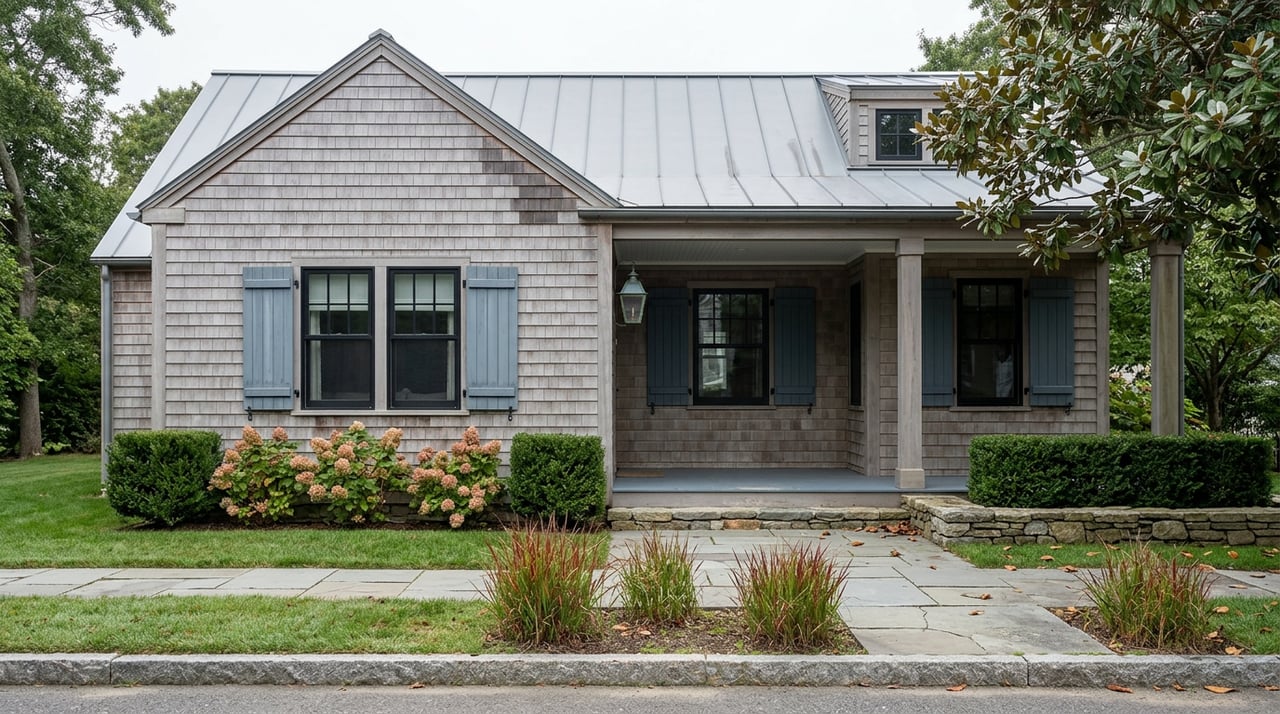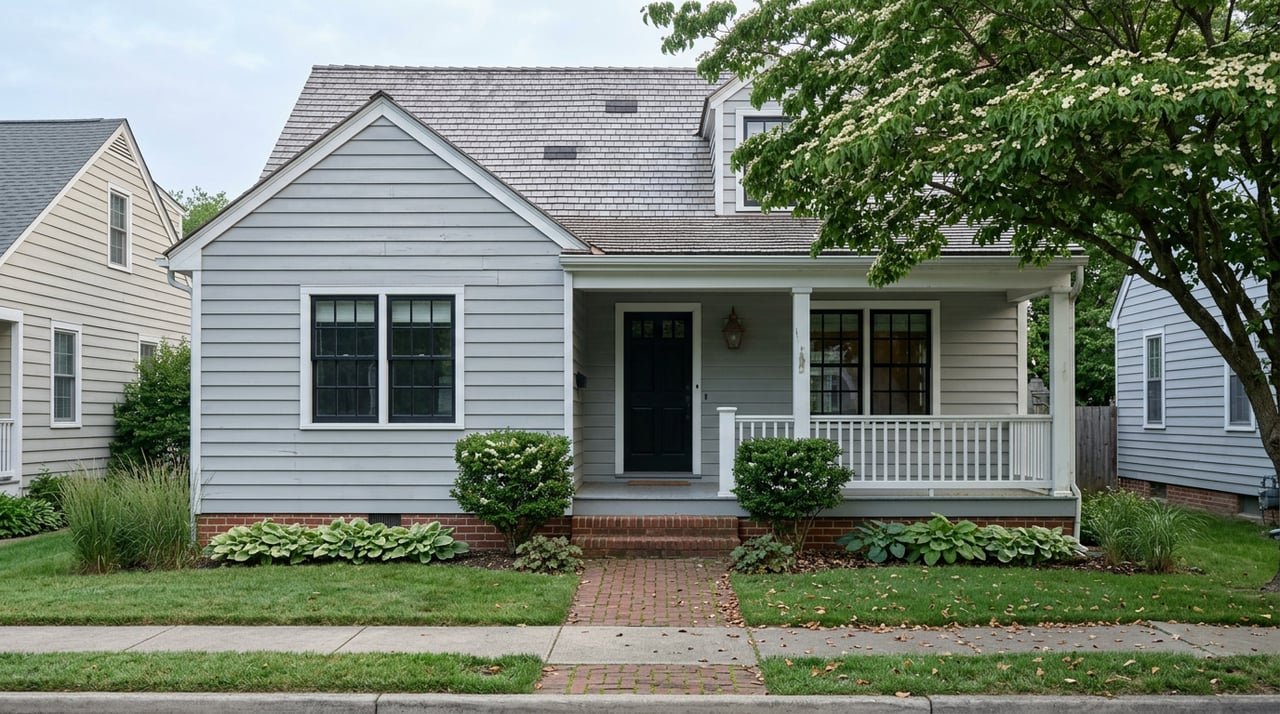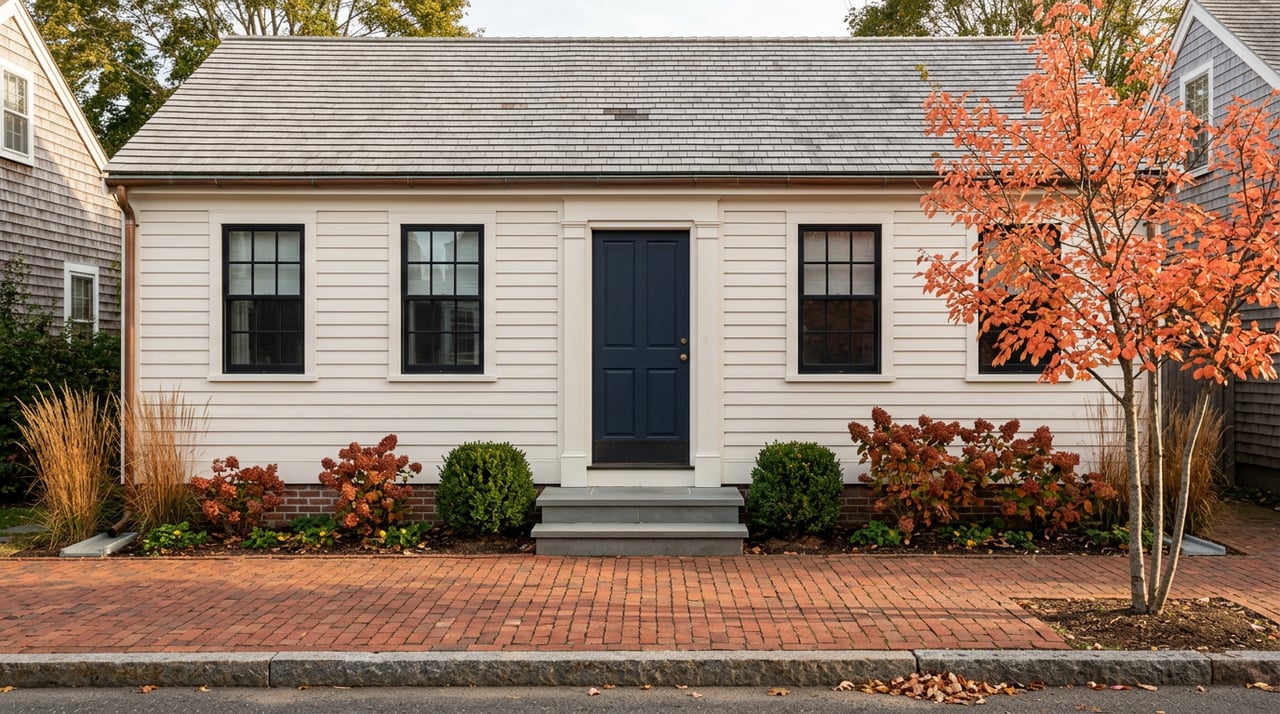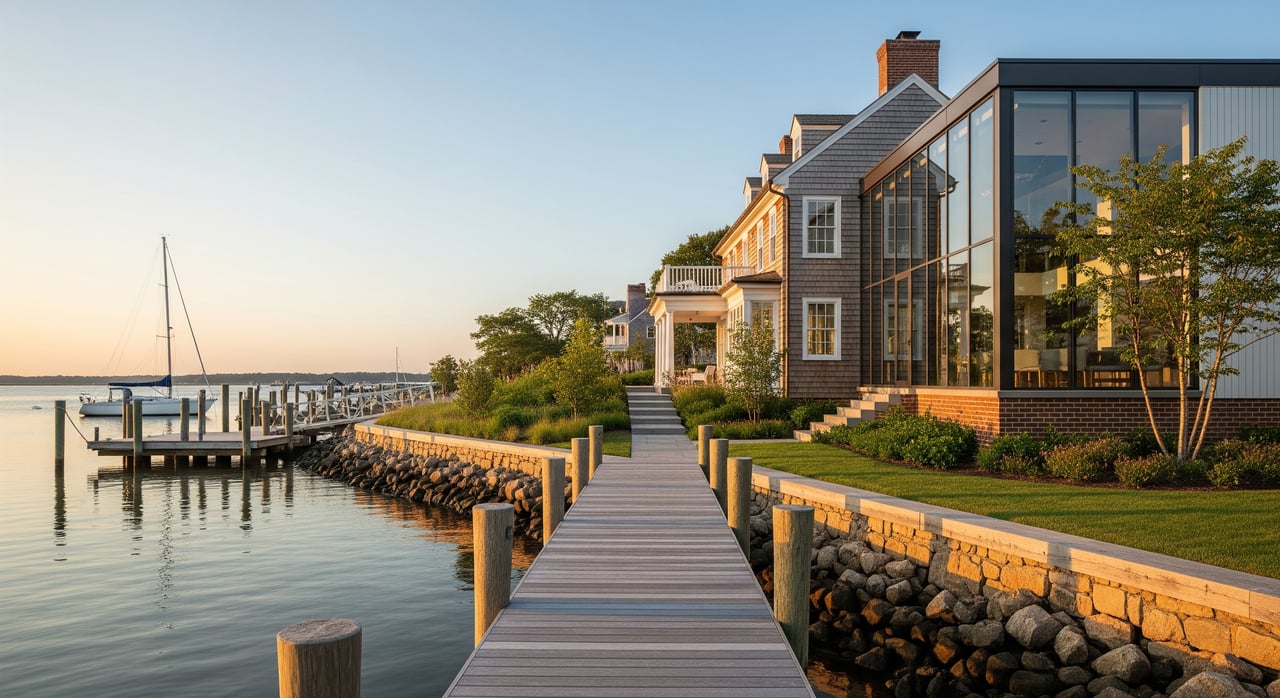
Trying to decide whether to renovate an Eastport cottage or start fresh with a custom build? You are not alone. Between small lots, flood zones, and Chesapeake Bay Critical Area rules, the right path is rarely obvious. In this guide, you will learn what costs to expect, how long each route can take, and which choices tend to deliver the strongest resale in Eastport. Let’s dive in.
Eastport context and value drivers
Eastport sits along Spa Creek and Back Creek, just across from downtown Annapolis. Many parcels are small, nearshore, or waterfront, and the housing stock ranges from older cottages to newer custom homes. That mix creates opportunities for both major renovations and full replacements.
Buyers here often pay premiums for water views, boat access, and updated systems that address waterfront risks. Walkability to restaurants and the Naval Academy also shapes demand. Matching neighborhood scale matters, since overbuilding can limit resale appeal on tighter blocks.
New build vs renovation at a glance
Both paths can work in Eastport if you align with lot constraints, permitting, and market comps. Here is the short version:
- Renovation pros: lower initial outlay in many cases, faster delivery for smaller scopes, and potentially simpler permitting.
- Renovation cons: hidden structural or mechanical issues can inflate budgets; layouts can be hard to modernize; footprint changes are limited by setbacks and coverage rules.
- New build pros: complete control over elevation, resiliency, layout, and energy efficiency; easier to deliver the open plans and luxury finishes buyers want.
- New build cons: higher all-in costs, longer timelines, more approvals, and risk of overbuilding for the block.
Cost ranges to expect
Exact budgets vary with site conditions, finish level, and access. On constrained or waterfront lots, foundations and sitework can materially change totals. As a starting point for early feasibility:
- Minor renovation: often tens of thousands to low six figures depending on scope.
- Major renovation or full gut: can approach or exceed new-build cost per square foot when structural work, elevation, or systems replacement is required.
- Ground-up custom build on a tight, nearshore lot: high six-figure to multi-million-dollar total budgets are common in waterfront Mid-Atlantic infill settings.
Plan for all core categories when budgeting:
- Acquisition and carrying costs.
- Soft costs: design, engineering, surveys, geotechnical borings, permitting, impact and review fees, and utility fees.
- Sitework: demolition, grading, tree removal, drainage, erosion control, dewatering, and shoreline stabilization if applicable.
- Foundation and structure: pier or pile systems and elevated slabs are common near tidal waters and cost more than typical basements.
- Building shell and envelope: framing, roofing, windows rated for elevated exposure, siding.
- Systems: HVAC, plumbing, electrical, and sewer connections or upgrades.
- Interior finishes: kitchens, baths, millwork, flooring, appliances.
- Exterior site: driveways, landscaping, decks, and docks or boat slips where permitted.
- Contingency and builder overhead/profit.
Expect cost uplifts in Eastport due to flood-resilience needs, small-lot logistics, shoreline work, and any historic or design constraints. Early geotechnical information and two local builder estimates reduce surprises, since early-stage estimates can be off by 15 to 30 percent without detailed site data.
Timelines you can plan around
Permitting and approvals often drive schedule risk more than construction itself. Build your plan around these typical ranges:
- Small or cosmetic renovation: 2 to 8 weeks, extending to 2 to 3 months for more involved but non-structural work.
- Major renovation with structural changes or systems replacement: 4 to 12+ months depending on scope and permitting.
- Ground-up custom home on a constrained, nearshore lot: often 12 to 24 months from permit application to occupancy. Shoreline permits or complex entitlements can extend this.
- Permitting alone: simple permits may process in weeks. Projects needing variances, historic review, or state and federal environmental permits can add 3 to 9+ months.
Plan for seasonal shoreline windows, conditional approvals that require revisions, and long lead times for custom windows, appliances, and specialty materials.
Permits, zoning, and environmental basics
Most Eastport properties fall under the City of Annapolis. Always verify jurisdiction for your parcel. Common approvals include:
- City of Annapolis Department of Planning and Zoning for zoning and building permits.
- Annapolis Historic Preservation Commission when demolition or exterior changes are in a historic district or conservation area.
- Trade permits and inspections through the City or Anne Arundel County as applicable.
- Maryland Department of the Environment and the U.S. Army Corps of Engineers for shoreline, tidal wetlands, and in-water work.
- Floodplain compliance under FEMA and local floodplain management rules.
Maryland’s Critical Area law applies to land within 1,000 feet of tidal waters and wetlands, which is common along Spa Creek and Back Creek. Critical Area rules limit clearing and impervious coverage and may require mitigation plantings, stormwater controls, or a variance. Zoning also limits setbacks, height, and lot coverage, and small infill lots may need variances.
Flood zones can require finished-floor elevations above Base Flood Elevation plus freeboard, often pushing you toward elevated foundations or pilings. Elevation Certificates, floodproofing, and flood insurance considerations affect design and future resale.
If you have a bulkhead or plan shoreline work, expect separate permits, potential mitigation, and seasonal limits on in-water construction.
Due diligence checklist
Before you commit, assemble a site-specific package. At minimum, confirm:
- Title and easements, including riparian rights and recorded access.
- Jurisdiction, zoning, setbacks, coverage limits, height, and parking.
- Historic status and whether Historic Preservation Commission review is required.
- Flood zone, Base Flood Elevation, and available Elevation Certificate.
- Critical Area status and whether the lot lies in a buffer.
- Shoreline condition, prior permits, and feasibility of a living shoreline.
- Utilities status and stormwater requirements.
- Geotechnical borings, groundwater, presence of fill, and contamination risk.
- Site access and staging for cranes, deliveries, and parking.
- Recent comparable sales of renovated and new homes to set realistic resale.
- Prior flood damage or insurance claims.
- Estimated timelines and fees from Planning and Zoning and Historic staff or a local expeditor.
ROI and resale strategy
In Eastport, buyers value water access or views, open plans, high-end kitchens and baths, and resilient construction. Walkability to downtown Annapolis helps, but clear, documented solutions to flood risk and insurance can be equally important.
As a general pattern, targeted upgrades with high visibility tend to deliver the best near-term payback. Full custom builds can achieve premiums if the home matches the block’s scale and the neighborhood’s top-tier comps. Overbuilding reduces absorption, so align size and finish to comparable sales and emphasize resiliency features like elevated living areas, flood-resistant materials, and high-performance systems.
Be conservative when projecting premiums for boat access or water proximity. Buyers pay for usable, permitted access more than for informal or degraded shoreline features.
Renovate or rebuild: how to decide
Use a structured, two-scenario approach:
- Major renovation scenario
- Define scope: structural changes, systems replacement, elevation needs, and interior reconfiguration.
- Price the work with at least two local contractors, including sitework and contingency for unknowns.
- Check permits required and whether historic review applies.
- New build scenario
- Commission a survey and geotechnical borings to confirm setbacks, coverage, and foundation needs.
- Test a schematic design against required finished-floor elevation and floodproofing measures.
- Pre-check with City staff and Historic Preservation for timing and approvals.
Compare total project costs, projected timeline to market, and realistic resale based on nearby comps. Prioritize flood-resilient design choices early. If shoreline improvements are needed, consult a team familiar with state and federal permitting and consider living shoreline options that may simplify approvals and attract buyers.
Practical next steps
- Order a feasibility study with survey, tree plan, geotechnical report, and schematic layout.
- Schedule a pre-application discussion with City Planning and Zoning and Historic staff to identify hurdles and timelines.
- Get two builder estimates that detail sitework, foundations, and shoreline items.
- Build in a contingency and plan for material lead times.
- Align proposed size and finishes with top Eastport comps to avoid overbuilding.
Plan your Eastport move
Whether you renovate an Eastport classic or commission a custom build, the strongest results come from early due diligence, realistic cost and schedule modeling, and a design that respects the block and the water. If you want a local, boutique advisor who understands Eastport’s micro-markets, permitting paths, and resale dynamics, let’s talk. Connect with Brian Jacobs to plan your next step.
FAQs
What are typical Eastport renovation costs?
- Minor updates often run tens of thousands to low six figures, while major structural or systems work can approach or exceed new-build cost per square foot.
How long does a new Eastport build take?
- Ground-up custom homes on constrained, nearshore lots commonly take 12 to 24 months from permit application to occupancy, plus time for complex approvals if needed.
Which permits apply near Spa and Back Creek?
- Expect City of Annapolis permits, possible Historic Preservation review, and state or federal approvals for shoreline or tidal wetlands work, along with floodplain compliance.
How do flood zones affect design and cost?
- Many parcels require finished floors above Base Flood Elevation, often leading to elevated foundations or pilings, flood-resistant materials, and flood insurance considerations.
What drives the best ROI in Eastport?
- Targeted, high-visibility upgrades and resilient construction aligned with neighborhood scale typically perform best, while overbuilding can reduce resale speed.