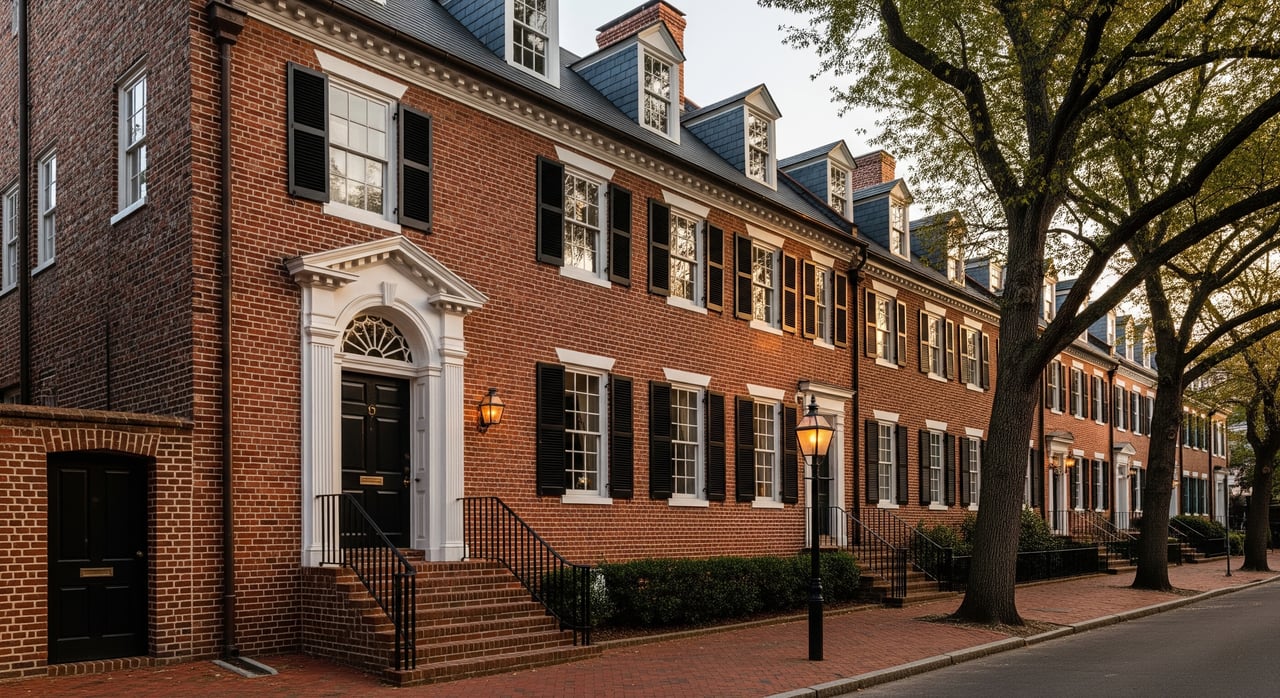
Cobblestone blocks, brick townhouses, and harbor breezes draw you to Downtown Annapolis, but what does your budget actually buy in the Historic District? You want charm without surprises, walkability without giving up practicality, and a clear plan for ownership and upkeep. In this guide, you will compare styles, understand pricing tiers, and learn what to expect with regulations, inspections, insurance, and renovations. Let’s dive in.
Architectural styles at a glance
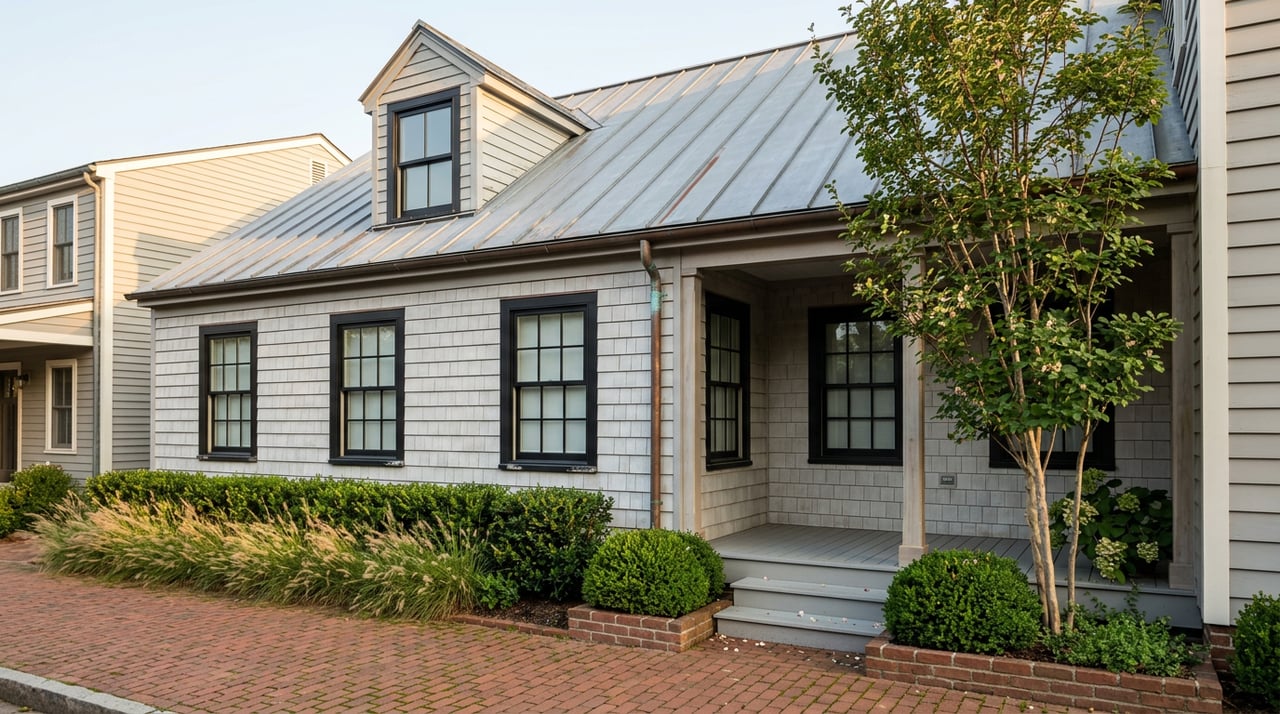
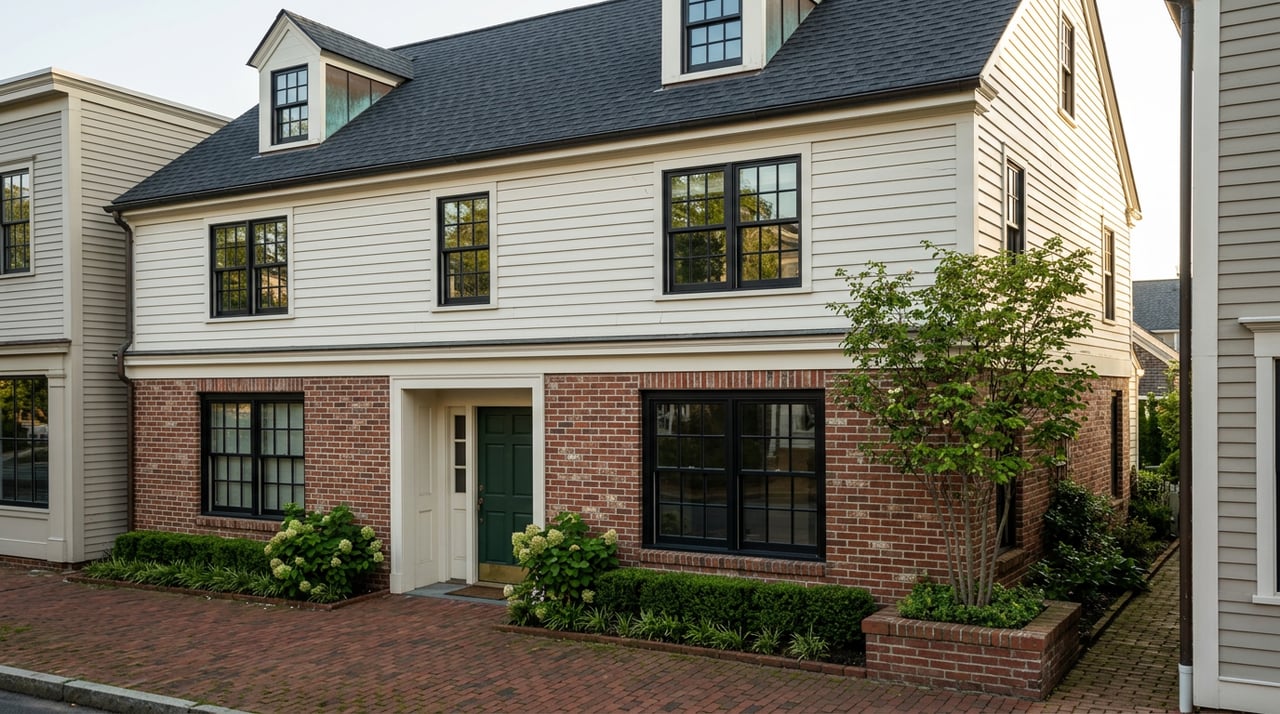
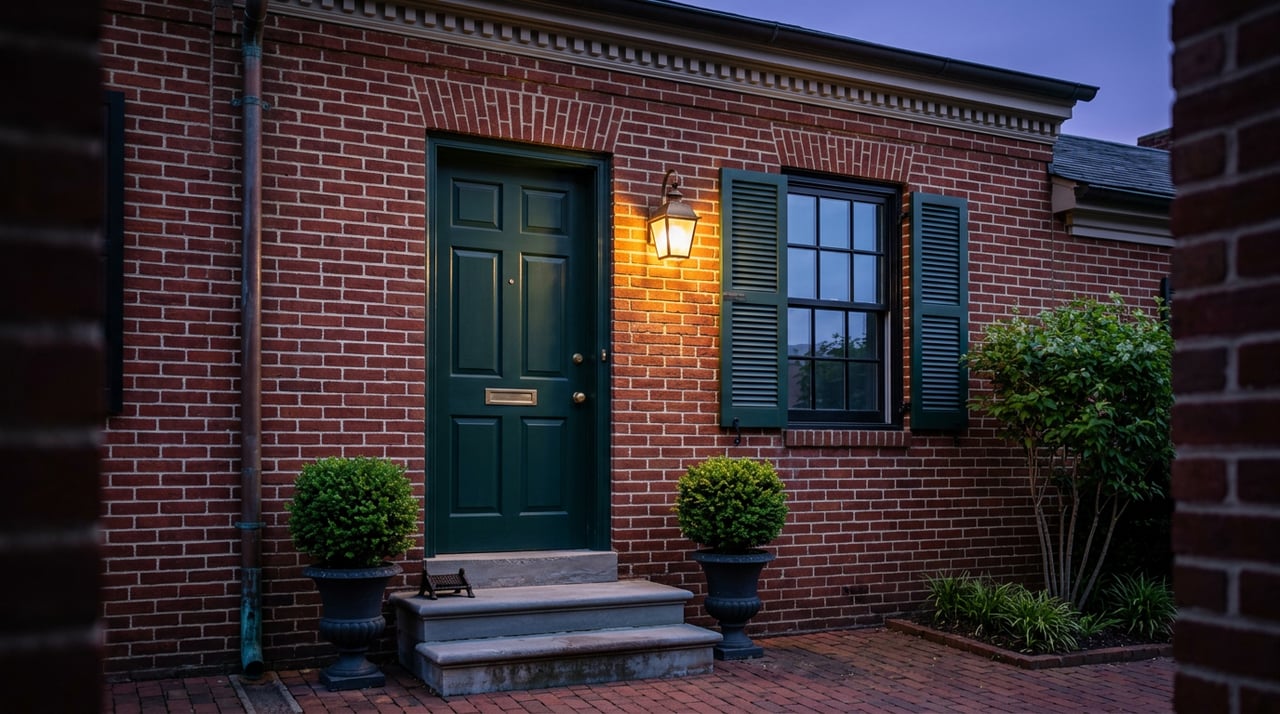
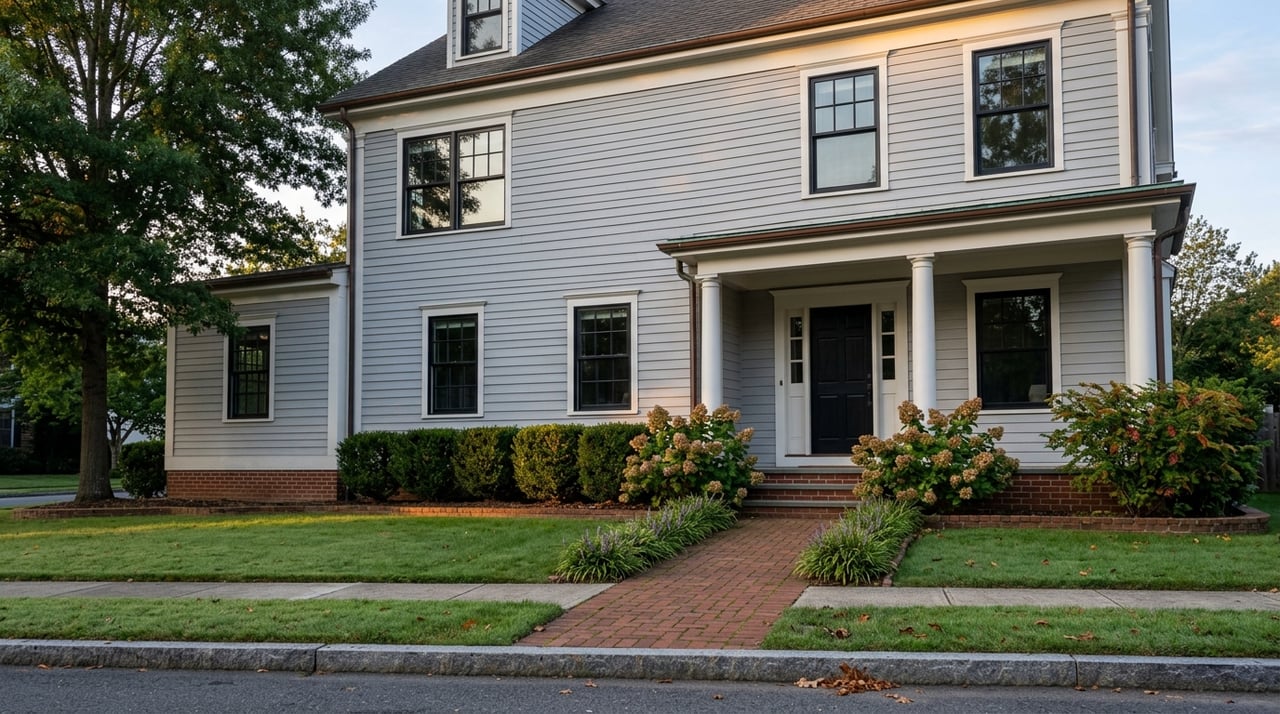
You will see a tight mix of 18th and 19th century architecture, plus later conversions. Georgian homes often have symmetrical brick facades, paneled doors with transoms, and 2 to 3 stories above a raised basement. Interiors tend to feature central or side hall plans with formal front rooms and smaller service spaces at the rear.
Federal or Adamesque townhouses refine the look with slender moldings, elliptical fanlights, and flatter brick facades. Greek Revival adds simple classical details and stronger cornice lines. Later Victorian-era elements like bracketed cornices and tall, narrow windows appear on some infill or commercial conversions.
You will also find 20th century conversions and purpose-built or converted condo buildings near the harbor. Materials range from brick and clapboard to contemporary glass accents. Expect historic details like wide pine floors, plaster walls, narrow staircases, original mantels, and single-pane sash windows in older homes.
Lot patterns and outdoor space
Most historic row houses sit on narrow, deep lots with little front setback. Private outdoor space usually means a compact rear garden or enclosed court. Corner or freestanding homes exist but are less common in the tight grid.
Alleyways and service lanes are part of the fabric. Many homes back to alleys where carriage houses or sheds once stood. Some outbuildings are now accessory units or storage, subject to local preservation rules.
Parking and daily access
On-street parking dominates in the core. Off-street parking or garages are limited. If parking is a priority, focus on properties with deeded spaces, nearby municipal options, or renovated units that added parking where approvals allowed.
Pricing tiers as of February 2026
Inventory in the Historic District is diverse. Dollar values can swing within a few blocks based on condition, size, parking, and proximity to the harbor. Use these tiers to frame expectations and confirm current numbers with recent comps.
- Entry level: modest downtown condos, studios, or one-bedroom conversions. These offer the lowest price point with the smallest footprints.
- Mid range: renovated townhouses and row houses with modern systems and preserved character. Expect two to three bedrooms, small outdoor areas, and limited parking.
- Premium: large historic restorations and waterfront condos or homes near the harbor. Premiums reflect views, slips where allowed, larger footprints, and high-end updates.
What drives value here
- Harbor proximity and views. Being near or facing the water carries a distinct premium.
- Condition and renovation. Turnkey homes with updated systems and finishes command stronger prices than projects needing structural or mechanical work.
- Size and usability. Finished basements or attic conversions increase usable area. Older layouts may have smaller rooms and fewer full baths.
- Parking and storage. Deeded spaces or garages add value given downtown scarcity.
- Preservation factors. Historic designation and exterior review can limit certain changes, which affects what you can alter and what buyers pay for.
Rules for exterior changes
Exterior work that is visible from a public way usually requires review by the local Historic Preservation Commission. Typical items that need approval include additions, demolition, new or altered windows and doors, masonry changes, shutters, porches, and roofs. You should plan for Certificates of Appropriateness, design standards, and possible conditions such as like-for-like materials.
Interior updates are usually not regulated unless tied to exterior changes or specific local ordinances. Build extra time into your project plan for reviews and permits.
Inspections and condition risks
Older buildings need careful due diligence. A strong team can help you understand the house and anticipate costs. Consider specialists who know masonry, historic framing, and old systems.
Common findings include foundation settlement or masonry cracking, moisture at basements due to tight site drainage, and aging mechanicals like galvanized plumbing or outdated electrical. Expect to evaluate lead paint in pre-1978 homes and possible asbestos in older insulation or flooring. Balancing historic fabric with current fire, egress, and accessibility codes can require creative solutions.
Flood and insurance factors
Homes close to the harbor may sit in FEMA flood zones. You might need NFIP coverage and possibly private flood insurance, depending on elevation and prior claims. Insurers can be stricter with older roofs and systems, so it is smart to price insurance early in your process.
If you are comparing addresses, check local floodplain overlays and confirm the need for elevation certificates or mitigation steps. Premiums vary by property characteristics and underwriting.
Renovation scope and costs
Renovating a historic home often costs more per square foot than new construction. Access constraints, preservation standards, and custom workmanship can increase labor and material needs. Kitchens, baths, systems, and selective structural work are common scopes in historic townhouses.
Plan for contingencies to address hidden conditions. If preservation compliance applies, you may need materials that match existing profiles or brickwork, which can affect timeline and budget.
Financing, taxes, incentives
Conventional, FHA, and VA financing are generally available for Historic District homes. Lenders will evaluate condition and insurability during appraisal. Historic tax credits at the state or federal level may apply mainly to income-producing properties or substantial certified rehabilitations, so confirm eligibility before you count on incentives.
Check assessed values and recent tax history through county records when you review comps. Always verify address-specific details with local offices and your lender.
Smart buying checklist
- Define your must-haves: walkability, harbor proximity, size, and parking.
- Compare product types: small condo vs renovated row house vs harbor-adjacent condo.
- Order specialized inspections: structural, moisture, electrical, plumbing, and environmental.
- Price insurance early: homeowners and flood if near the water.
- Scope approvals: confirm if exterior work needs preservation review and timing.
- Model your budget: include renovation contingencies and possible higher energy costs.
- Verify comps and taxes: use recent Historic District sales and county records.
Your next step
Buying in the Historic District is about balancing character, location, and practical ownership. When you understand styles, lot patterns, pricing tiers, and the preservation process, you can move forward with confidence. If you want a guided search, nuanced valuation, or a plan for improvements that fit local rules, connect with Brian Jacobs for a private consultation.
FAQs
What historic styles are common in Downtown Annapolis?
- You will see Georgian and Federal townhouses, Greek Revival details, some Victorian-era elements on later infill, and 20th century conversions near the harbor.
How do pricing tiers compare in the Historic District?
- Entry-level condos sit at the lower end, renovated row houses in the middle, and waterfront condos or fully restored historic homes at the top as of February 2026.
What are typical lot and yard conditions for row houses?
- Lots are narrow and deep with minimal front setback and small rear courts or gardens, often with alley access for service areas or outbuildings.
How restrictive is exterior work on historic homes?
- Exterior changes visible from public ways typically require Historic Preservation Commission review, a Certificate of Appropriateness, and adherence to design standards.
What inspections should I order for an 18th century home?
- Engage inspectors or consultants experienced with historic structures, including structural, moisture, electrical, plumbing, HVAC, and environmental testing for lead and asbestos.
Do I need flood insurance near the Annapolis harbor?
- If a property is in a FEMA flood zone, lenders usually require NFIP coverage, and some buyers add private flood policies based on risk and elevation.
Why is parking such a premium in the Historic District?
- Most properties were built before cars, so off-street parking is scarce, and deeded or assigned spaces command higher prices and stronger marketability.