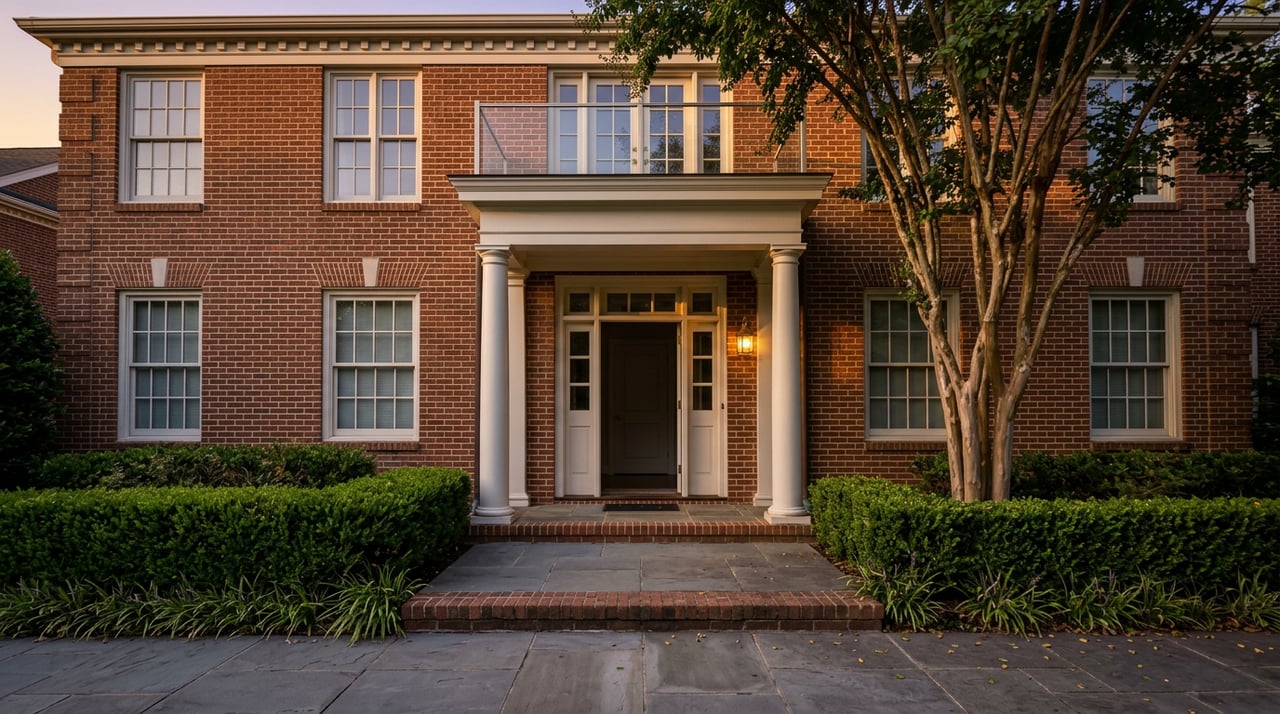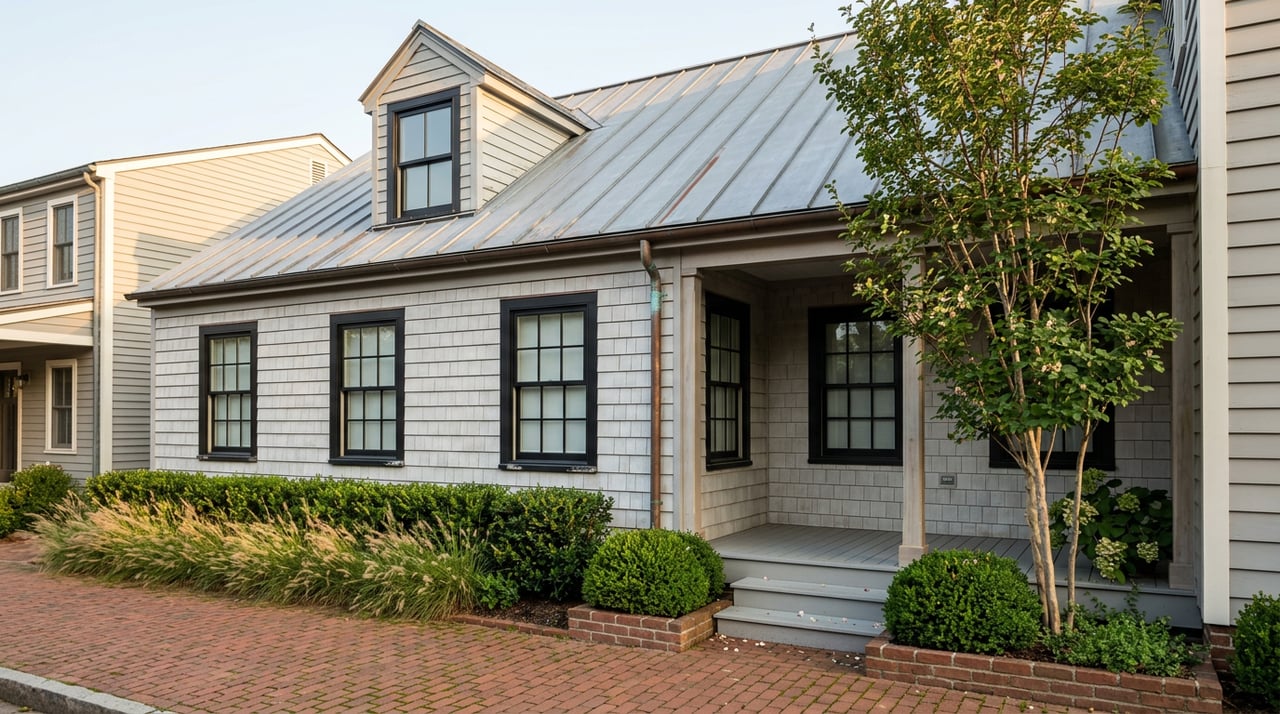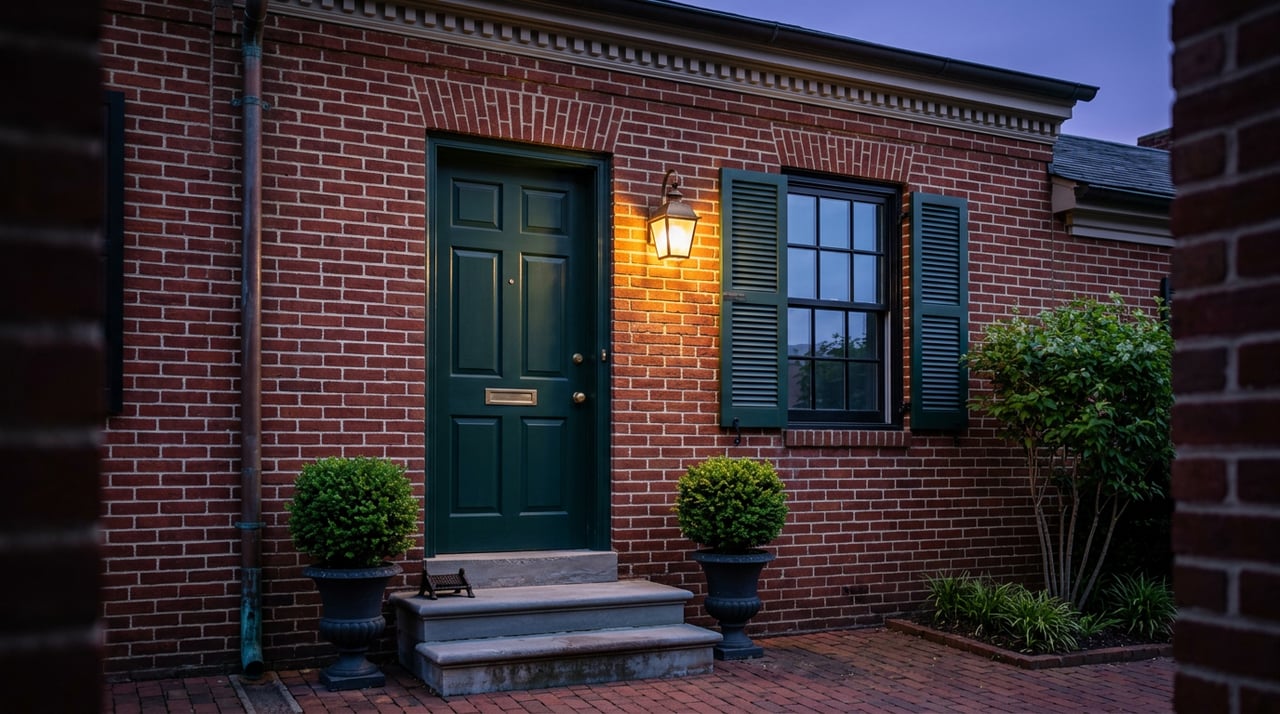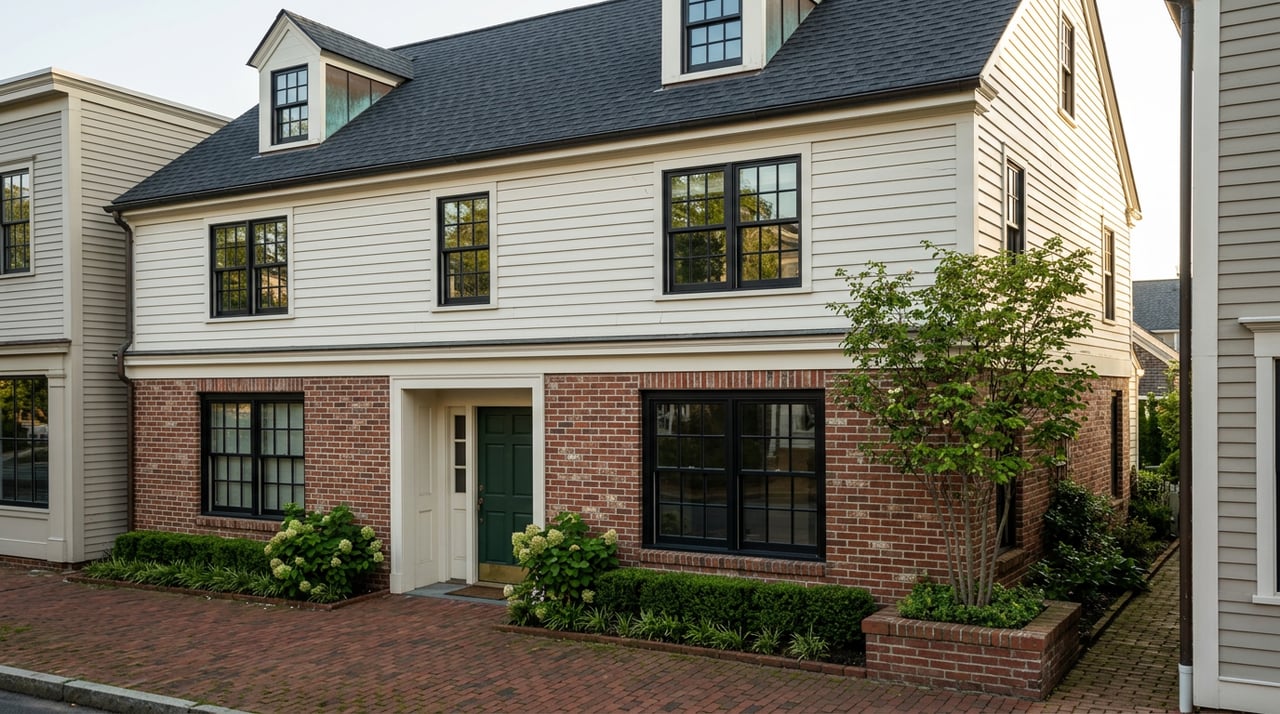
Saturday morning on Annapolis Street starts the same way it has for years. Regulars pull into the small lot behind Bean Rush Cafe, order a Honeybee Latte from the counter, and either carry it out to the sidewalk tables or walk it two doors down to browse glassware at Bon Vivant. Nobody is in a hurry. The whole commercial stretch runs about four blocks, and most people walking it know the names behind the counters.
What most of those regulars do not know is that the group of merchants who run this stretch spent this year formalizing something that used to just happen on its own.
The Owners Who Never Left
Longevity is the quiet fact that explains why West Annapolis feels the way it does. Bon Vivant, the antiques shop tucked into a 1920s bungalow on Annapolis Street, has been run by the same owner, Carl Ilhi, since 1999. Twenty-seven years of the same person deciding which hand-painted porcelain and estate glassware make it onto the shelves is not a common thing to find on a commercial block anywhere in Anne Arundel County. A few doors away, framer SuAnne Martinez has spent 19 of her 30-plus years in the trade working out of West Annapolis, a business owner in the neighborhood since 2008.
Bean Rush Cafe is the newer arrival by comparison, but it has already crossed into fixture territory. It operates out of a converted home on Annapolis Street, keeps early hours that match the school and commuter crowd (weekdays 6 a.m. to 4 p.m., 7 a.m. to 4 p.m. on Saturdays, 7 a.m. to 2 p.m. on Sundays), and has built the kind of following where staff know regulars by their orders rather than their names. That is the pattern in West Annapolis: shops either open and stay for decades, or open and get absorbed into the routine fast enough that it barely feels new.
Earlier This Year, The Association Bought The Building
The West Annapolis Business Association has represented these merchants for years, coordinating with the City of Annapolis, Anne Arundel County, and state representatives on their behalf. Until this year, it operated the way most small business associations do: informally, out of members' own storefronts, or wherever a meeting could be scheduled.
That changed in 2026. WABA purchased 103 Annapolis Street, with plans to open its own administrative office there by spring 2026, a real address for an organization that has always run on volunteer hours and borrowed space. It is a small transaction in dollar terms, almost certainly, but a significant one in what it signals. A business district that has spent decades defining itself as unchanged just spent money to make its own continuity permanent.
What's New This Year
The building purchase was not the only first. WABA also launched its inaugural West Annapolis May Day Market on Sunday, April 26, 2026, running 11 a.m. to 2 p.m. along Annapolis Street. The event paired the neighborhood's old May Day basket tradition with something structured: a curated maker's market of 10 to 20 local artisans and florists, plus a station where visitors could build their own basket from fresh blooms while supplies lasted.
A short list of what changed this year on Annapolis Street:
- First annual May Day Market – April 26, 2026, with local boutiques, seasonal food, and a florist-supplied basket-making station
- Second annual May Day door decorating competition – businesses displayed their best entryway decor, with entries due by noon on May 1
- First administrative office for WABA – purchased at 103 Annapolis Street, opening planned for spring 2026
- Holiday Market – returning again this year with hot chocolate, local vendor shopping, and a Santa Claus visit, date still to be announced
None of these are dramatic on their own. Together they read as a business association deciding, after years of running things ad hoc, to build actual infrastructure around the traditions residents already show up for.
Every Board Seat Is A Storefront
Part of what makes this shift believable is who is driving it. WABA's board is not made up of outside administrators. It is made up of the same people who own the businesses on the street. Mary Ostrowski has owned Weems Creek Nursery School since 2018 and founded a second venture, The Drizzle Effect children's learning center, in 2024. Ryan Brassel runs a small commercial real estate business out of West Annapolis and sits on the board representing that side of the district. Gregory Pitts, a Weems Creek resident whose youngest child now attends Spalding, spends his mornings paddle boarding and practicing yoga before the workday starts, the kind of routine that only works if you already live inside walking distance of the water.
This is self-governance in the most literal sense. The people deciding whether to fund a new market or buy a building are the same people who will walk past that building every day on their way to open their own shops. That is a different incentive structure than a commercial strip managed by an outside landlord or a city department, and it is part of why decisions here tend to move slowly and then, when they finally move, tend to stick.
A Saturday Morning, Mapped
If you have not walked the full stretch recently, here is what is actually on it. Start at Bean Rush Cafe for coffee and a pastry, then walk toward Bon Vivant or West Annapolis Antiques if you are in the mood to browse glassware, chandeliers, or estate jewelry. West Annapolis Antiques has been a fixture on the block for years and still turns up on current local business listings, the kind of quiet longevity that never makes headlines but keeps a block from feeling interchangeable.
For a sit-down morning, Evelyn's serves Cuban sandwiches and a Weems Creek omelet in a small space with pop-art touches and covered outdoor seating, the kind of spot that fills up on weekend mornings with people in no rush to leave. Curate operates as a cafe, bakery, and wine bar under one roof, with a barista, a baker, and a sommelier on staff, meaning the same table that holds a maple walnut muffin at 9 a.m. can hold a glass of wine and a small plate by evening. InGrano also keeps a boutique dining presence in West Annapolis, rounding out a stretch where you could plausibly spend an entire Saturday without leaving four blocks.
None of this is new information if you already live here. What is worth knowing is that the people running these businesses just decided, collectively and for the first time, to invest in the infrastructure that keeps this rhythm going rather than assuming it would keep going on its own.
The Village Stays The Village By Choosing To
West Annapolis has always described itself as a small town inside a larger city. That description has mostly held because the same handful of owners kept showing up, year after year, without needing a formal reason to. This year gave them one. A purchased building, a first-time market, a second-time door contest. Small moves, but the kind that suggest a neighborhood deciding on purpose to keep being what it already was, rather than drifting into it by accident.
That distinction matters if you live here. A business district that renews itself through the same owners and a newly funded association tends to hold its character longer than one that turns over every few years. Whether or not that shows up in a listing sheet, it shows up on the sidewalk on a Saturday morning, which is where most people in West Annapolis actually spend their time.
If you are curious what else is shifting in the neighborhoods around Annapolis, or you want a local read on how a block like this one holds its value over time, Annapolis Fine Property is a good place to start that conversation. Brian Jacobs works these neighborhoods block by block, and a conversation about the market never hurts, even if you are nowhere near ready to make a move.